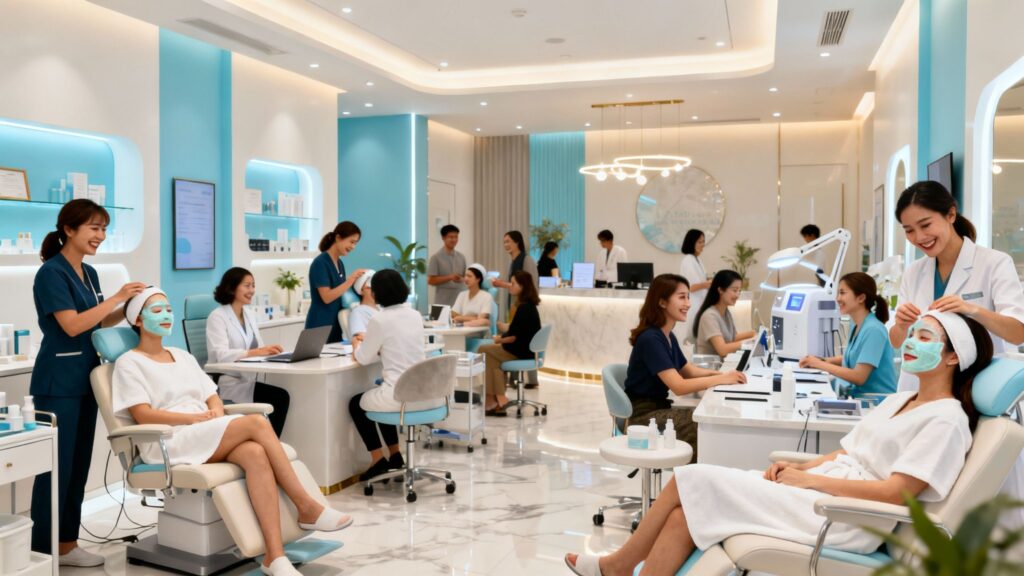
No-shows can really throw a spanner in the works for any aesthetic clinic. It’s not just about a missed appointment; it’s about lost time, wasted resources, and disrupted schedules. Reducing no-shows is an important part of aesthetic clinic marketing and smooth operations, because it affects both patient experience and your clinic’s revenue stability.
This article looks at practical no-show reduction strategies that can help keep your diary full and your clinic running smoothly. We cover everything from simplifying booking, to improving communication, to using technology and clear policies – all aimed at helping you reduce no-shows in a professional, sustainable way.
Key Takeaways
Make booking appointments as simple and clear as possible. A complicated process can put people off before they even start and reduce commitment to attend.
Keep in touch with your clients and patients. Regular reminders via text (SMS) or email can make a big difference in helping them remember their appointments.
Have a clear policy for cancellations and no-shows. Make sure patients know what to expect regarding notice periods, fees, or charges.
Focus on giving patients a great experience from start to finish. A smooth, consistent experience makes patients more likely to show up and continue their treatment journeys.
Use technology to your advantage. Clinic management software and online booking tools can help with reminders, booking, rescheduling, and understanding patterns of missed appointments.
Support your local visibility. Keeping your website, online booking tools, and Google Business Profile accurate and up to date helps attract more clients who are ready to book and attend.
Streamlining The Appointment Booking Process

Getting patients through the door starts with how they book their appointments, both through your website and your local search presence. If your booking system feels like a maze, it’s likely costing you clients and creating unnecessary no-shows. Making this first step as simple, clear, and accessible as possible is a big win for everyone.
Optimising Your Online Booking System
Think about your current booking setup:
Is it easy to find on your website and Google Business Profile?
Can patients see available slots without having to call?
Does it work properly on mobile devices as well as desktop?
A well-designed online system can make a significant difference. It lets people book appointments 24/7, fitting around their busy lives. This convenience means they’re more likely to commit and follow through. Some systems even allow for automatic waitlist filling when a slot opens up, which is particularly helpful for filling last-minute cancellations.
Key benefits of a strong online booking system include:
24/7 Availability: Patients can book anytime, anywhere.
Real-time Updates: Schedules stay accurate and reduce double-booking.
Automated Waitlists: Cancellations can be filled quickly and efficiently.
By making online booking part of your aesthetic clinic marketing and patient journey, you also support local SEO for clinics by giving searchers a clear next step when they find you.
Setting Clear Appointment Expectations
Once a patient decides to book, it’s important to be upfront about what happens next. This includes details about:
The appointment itself
What they need to do beforehand
How long it is likely to take
Your clinic’s policies regarding cancellations or changes
Clear communication from the very start reduces confusion and the likelihood of missed appointments.
Here’s what to include in your confirmation message or email:
Date and time of the appointment
Location of the clinic (including directions or parking info if relevant)
Any pre-appointment instructions (e.g., avoid certain skincare products, come make-up free, bring a medication list)
Information on your cancellation or rescheduling policy
This clarity sets expectations early and helps patients feel more confident about attending.
The Value of a Seamless Booking Experience
A smooth booking process does more than just put appointments on the calendar; it builds confidence and trust. When a patient can easily:
Find information
Book their slot
Receive clear confirmations
they feel looked after from the very beginning.
This positive first impression:
Shows that you value their time
Demonstrates that your clinic is organised and reliable
Encourages them to feel more committed to attending
On the other hand, a clunky or confusing booking system can be a major deterrent. Patients might give up trying to book or feel less committed to attending if the initial interaction is difficult.
Proactive Communication Strategies To Reduce No-Shows
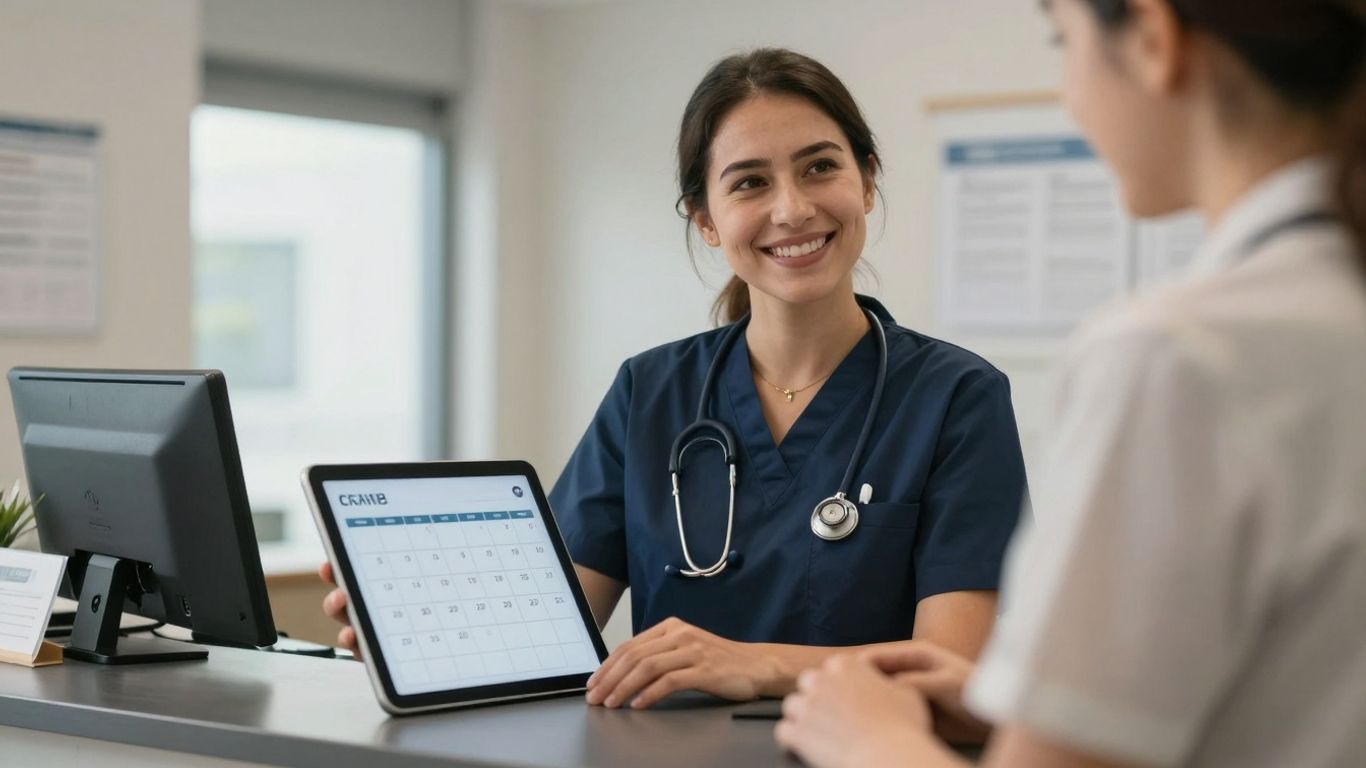
Sometimes, appointments simply slip people’s minds. Life gets busy. That’s where being proactive with communication can make a real difference for your aesthetic clinic. It’s not just about sending a reminder; it’s about creating a consistent dialogue that keeps your patients engaged and their appointments top of mind.
Implementing Automated Appointment Reminders
Automated reminders can significantly reduce manual workload for your team and provide a reliable way to reach clients. Think of them as a digital assistant working quietly in the background. These systems can be set up to send messages at key intervals, for example:
Initial Confirmation: Sent immediately after booking, confirming date, time, and service. Include a link to your cancellation policy and any pre-appointment forms.
Pre-Appointment Reminder: Sent 48–72 hours before the appointment. This is a good time to include preparation instructions or directions to your clinic.
Final Reminder: A brief message sent 12–24 hours before the appointment to give a final nudge.
Using a mix of SMS and email is often most effective, as different patients prefer different channels. SMS messages, for instance, have very high open rates, making them a highly effective way to get your message seen quickly.
Personalising Your Communication Touchpoints
While automation is extremely useful, a personal touch can really make your communications stand out. Generic messages can feel cold or easy to ignore.
Where possible, try to include:
The patient’s name
The specific treatment they’re booked for
A brief line about what to expect or any preparation they should remember
If your clinic management system tracks patient history, you might also reference:
A previous successful treatment
A treatment plan they are following
This shows you see them as an individual, not just another time slot in the diary. Personalised communication helps build a stronger connection, making patients feel more valued and therefore more likely to honour their commitments.
Leveraging SMS and Email for Maximum Impact
Using both SMS and email creates a multi-channel approach that covers your bases. In practice:
SMS is ideal for quick confirmations, urgent reminders, and short messages.
Email is better for detailed information, such as pre-treatment instructions, forms, and FAQs.
You can use them strategically:
Send a same-day SMS reminder for time-sensitive nudges.
Use email to share educational content, such as pre-visit information or aftercare advice.
Example uses:
SMS (Quick reminders):
“Hi [Client Name], just a reminder of your appointment for [Treatment] at [Time] on [Date]. Reply C to confirm or contact us to reschedule if needed.”
Email (Detailed info):
“Dear [Client Name], we’re looking forward to seeing you on [Date] for your [Treatment]. Please review the attached pre-treatment instructions and our cancellation policy before your visit.”
The key is to provide timely and relevant information, without bombarding people, and to support the overall patient experience and local SEO for clinics by keeping communication aligned with what patients see on your website and Google Business Profile.
Establishing Clear Policies And Expectations
Making sure patients feel connected to your clinic and understand the value of their appointments is a big part of keeping them showing up. It’s not just about the treatment itself; it’s about the overall experience surrounding each appointment, from the moment they book to the follow-up afterwards.
Providing Comprehensive Pre-Visit Information
Sending patients the right information before they arrive can make a real difference. It helps them feel prepared, reduces anxiety, and decreases the chance of last-minute cancellations or no-shows. Think about what they need to know to get the most out of their visit and how that information fits into your wider aesthetic clinic marketing and patient experience.
You might structure your pre-visit communication as:
Initial Confirmation: Right after booking, send details about the treatment, duration, location, and any specific preparation needed.
Educational Message (a few days before): Share information on what to expect, the benefits, and answers to common questions.
Final Reminder (two days before): Include a brief checklist for preparation, directions, and what to bring.
This kind of clear, layered communication helps patients feel more committed to their appointment and reassured about what will happen.
Implementing Patient Loyalty And Reward Programmes
People like to feel appreciated, and a well-structured loyalty programme can help with that. It gives patients a reason to keep returning and recognises their commitment to ongoing treatment plans.
Consider ideas such as:
Health or attendance credits: Patients earn credits for attending appointments, which they can use towards specific services or reviews.
Loyalty points: Patients accumulate points with each visit and can redeem them for appropriate added-value benefits, such as priority booking or a complimentary review appointment.
Exclusive access: Offer early access to new treatments, education events, or clinic information sessions to your most engaged patients.
By recognising attendance and engagement, you gently encourage patients to prioritise their appointments and stay consistent with their care.
The Role of Patient Education In Attendance
When patients genuinely understand why their treatment is important and what benefits it brings, they’re far more likely to attend and stick to recommended schedules. Education turns appointments from “something they feel they should do” into an investment in their wellbeing and confidence.
You can:
Explain how consistent treatment supports results (e.g., for skin health or injectable maintenance).
Share before-and-after timelines in a general, non-promotional way to demonstrate why following the plan matters.
Use email or blog content to answer frequently asked questions, reinforcing the value of attending scheduled appointments.
When patients grasp the value of each appointment and the overall treatment journey, they are more motivated to attend, which naturally reduces no-shows.
Leveraging Technology For Improved Attendance
It’s easy to think of technology as just “nice to have”, but in a clinic setting, it can make a real difference to whether patients attend. Rather than replacing clinical expertise, smart systems support your team by reducing admin and making things easier for everyone.
Utilising Clinic Management Software
Most clinics already use some form of software to manage appointments, patient records, and billing. However, it’s worth asking whether you’re getting the most out of yours.
Modern clinic management systems can:
Automatically send appointment confirmations and reminders
Store treatment history and preferences in one place
Link communication, scheduling, and notes together
Provide a clearer overview of capacity and utilisation
A well-integrated system becomes the backbone of efficient operations, supporting both patient experience and no-show reduction without creating extra administrative work.
The Benefits of Online Rescheduling Options
Sometimes, despite the best intentions, a patient genuinely can’t make their appointment. If the only way to change it is by calling during business hours, that can be frustrating and may lead to a no-show instead of a reschedule.
Offering online rescheduling options – for example, via a secure link in a reminder message or a patient portal – makes life easier for everyone. Patients can:
Adjust their appointments 24/7 without needing to speak to someone
Avoid the awkwardness of calling if they are running late
Choose a new time that works better for them, instead of ignoring the appointment entirely
Research into patient preferences suggests that many people are more likely to attend when they can manage or reschedule appointments online. It’s a genuine win-win: patients get convenience, and you reduce the chances of a missed appointment slot.
Data Insights To Understand No-Show Patterns
Your clinic management software isn’t just storing data; it is building a valuable picture of your clinic’s patterns. By looking at this information, you can start to spot trends in no-shows, such as:
Certain days of the week or times with higher no-show rates
Specific treatment types with more missed appointments
Particular demographics, appointment lengths, or price points that affect attendance
Understanding these trends allows you to:
Adjust reminder timings or messaging
Offer deposits or stricter policies on higher-risk appointment types
Experiment with different scheduling patterns
This kind of insight helps you move from reacting to no-shows to proactively managing and reducing them as part of your wider aesthetic clinic marketing and operations strategy.
Building Stronger Patient Relationships
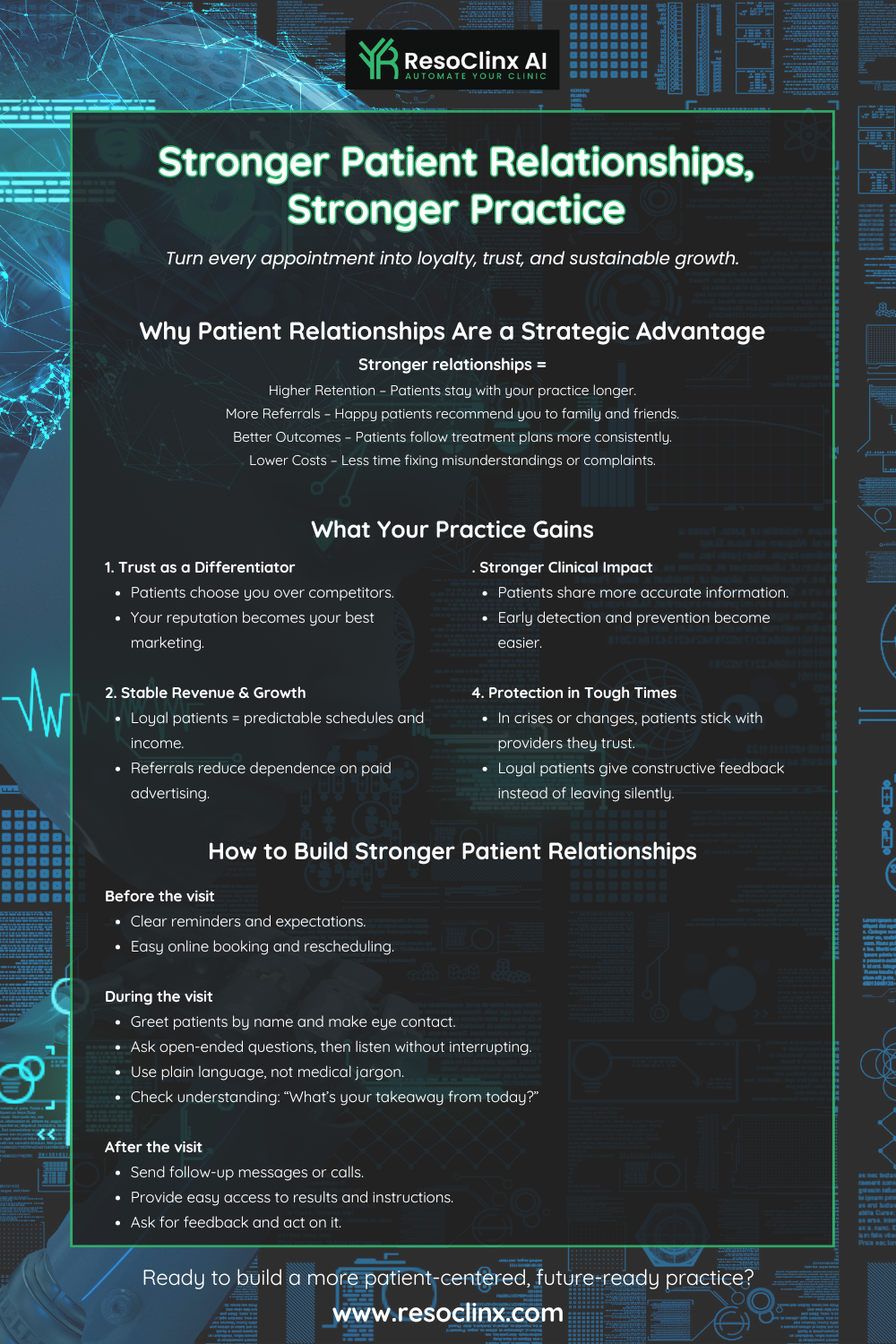
It might sound obvious, but genuinely getting to know your patients is a major factor in reducing no-shows. When people feel you care about them as individuals rather than simply as bookings, they’re much more likely to keep their appointments. It’s about making them feel seen, heard, and supported throughout their treatment journey.
Active Listening And Empathy In Consultations
Consultations are where real relationship-building happens. It’s not just about what treatment they want; it’s about understanding why they want it. Are they:
Feeling self-conscious about a particular concern?
Preparing for a significant life event?
Working towards a gradual, natural change rather than a quick fix?
Showing that you understand their motivations and emotions fosters trust.
Practical approaches include:
Asking open-ended questions, such as:
“What are your main concerns about your skin at the moment?”
Reflecting their feelings, for example:
“It sounds like you’re feeling a bit anxious about the recovery time, is that right?”
Validating their concerns:
“It’s completely understandable to feel that way before trying a new treatment.”
When patients feel genuinely understood and cared for during their initial consultations, they develop a stronger connection to the clinic and are more invested in following the treatment plan and attending appointments.
The Power Of Post-Procedure Follow-Up
The treatment itself is only one part of the experience. Checking in afterwards is just as important.
A quick call, SMS, or email a few days after their treatment can:
Reassure patients that you are still thinking about their wellbeing
Give them a chance to ask questions they may have forgotten on the day
Reinforce aftercare instructions and next steps
Consider including:
A personalised message mentioning the specific treatment they had
A brief question about their comfort and recovery, such as:
“How are you feeling today? Any discomfort or questions we can help with?”
A reminder of key aftercare advice
A direct line of contact if they are worried about anything
This kind of follow-up makes patients feel valued and supported, which in turn makes them much more likely to return and attend future appointments.
Fostering Trust Through Excellent Patient Care
Ultimately, everything comes back to trust. If your patients trust you, they’ll trust your recommendations, attend appointments, and continue working with you over time.
Excellent patient care means:
Being honest and realistic about expected outcomes
Prioritising safety and ethics over upselling treatments
Maintaining clear communication about costs, policies, and risks
Providing a calm, respectful, and professional environment
When patients consistently experience this level of care, they see your clinic as a long-term partner in their aesthetic and skin health, not just a one-off visit. That trust and loyalty is one of the most effective and sustainable no-show reduction strategies you can have.
Moving Forward: A Clinic with Fewer No-Shows
We’ve looked at several practical ways to tackle no-shows in your aesthetic clinic. It’s not just about filling a gap in the schedule; it’s about making sure your patients receive the care they need and your clinic runs smoothly.
By combining:
Simpler, clearer booking processes
Thoughtful, timely reminders
Effective use of technology
Transparent, consistent policies
Stronger patient relationships and education
you can build a more reliable and predictable appointment system.
It may take some effort to put these approaches in place, but the payoff – fewer missed appointments, better use of your team’s time, and a more organised clinic – is well worth it. Over time, refining these no-show reduction strategies can become a core part of your local SEO for clinics and wider aesthetic clinic marketing, supporting steady, sustainable growth without compromising patient care.