
Running an aesthetics clinic can feel like juggling – treatments, client care, consultations, and the ongoing demands of marketing. With so much happening each day, it’s understandable that certain marketing mistakes slip through the cracks. These missteps can quietly hold your clinic back from attracting more clients and building long-term trust.
In this blog, we explore the most common marketing mistakes aesthetic clinics make and how you can avoid them with practical, evidence-based guidance.
Key Takeaways
- Your online presence – from your Google Business Profile (GBP) to your website and reviews – is your clinic’s first impression. Make it count.
- Generic marketing won’t work in a personal industry. Tailor your message to individual patient needs and use testimonials to build trust.
- Consistent patient engagement, from lead follow-up to post-treatment care, is vital for building loyalty and community.
- Choose marketing platforms wisely by focusing on where your ideal clients spend their time.
- Don’t ignore your data; track what matters to understand your marketing spend and refine your strategies for better results.
Overlooking The Digital Front Door
Think of your clinic’s online presence as the first interaction a potential patient has with your business. In today’s landscape, that interaction happens online long before they ever step through your doors.
If this ‘digital front door’ is neglected, you could unintentionally deter clients before they’ve even considered booking.
Neglecting Your Google Business Profile
Your Google Business Profile (GBP) is your clinic’s most visible local search asset, often appearing before your website when someone searches for aesthetic treatments in your area.
An incomplete or outdated profile can make your clinic appear less credible or even inactive. This means potential patients may scroll past you towards a competitor who has taken the time to optimise their profile.
Here’s what to focus on:
- Accurate Contact Information: Ensure your phone number, address, and website link are up to date.
- Opening Hours: Keep these accurate, especially around holidays.
- Services Offered: List your treatments clearly and include relevant keywords people genuinely search for.
- Photos: Upload high-quality images of your clinic, team, and appropriate before-and-after results (with explicit patient consent, in line with UK ASA guidelines).
- Reviews: Encourage satisfied patients to leave reviews, and respond to all feedback professionally.
An optimised GBP is a cornerstone of local SEO for clinics, helping your business appear in Google’s local map pack and attract more nearby clients.
Ensuring Website Accessibility And User Experience
Your website acts as your clinic’s digital brochure, but it must be both visually appealing and easy to use. If your site loads slowly, lacks clear navigation, or isn’t mobile-friendly, visitors may leave before discovering what you offer.
Consider these essentials:
- Mobile Responsiveness: Most people search on mobile, so your site must perform perfectly on smaller screens.
- Clear Navigation: Users should easily find treatment information, pricing (if applicable), your team, and booking options.
- Fast Loading Speed: Slow pages increase bounce rates.
- Accessibility: Use clear fonts, strong colour contrast, and alt text to ensure inclusivity for users with visual impairments.
Underestimating The Power Of Online Reviews
Online reviews act as modern word-of-mouth referrals and influence patient decisions significantly. A steady flow of positive reviews builds credibility, while a lack of reviews or outdated feedback can hold you back.
Consider the following:
- Trust Building: Positive reviews act as authentic endorsements.
- Search Engine Visibility: Reviews contribute to higher rankings on Google.
- Direct Feedback: They show what you’re doing well and where you could improve.
Politely ask happy patients to share their experiences and respond to every review, demonstrating care and professionalism.
Generic Messaging In A Personalised Industry

Aesthetic treatments are personal, so your marketing must be too. Broad, generic messages rarely resonate because clients seek solutions for specific concerns — fine lines, volume loss, scarring, or uneven texture.
Your messaging should reflect the nuance of their needs.
Failing To Tailor Marketing To Specific Patient Needs
Your clients aren’t coming to you for a generic ‘beauty treatment’; they’re coming with specific concerns – perhaps fine lines around the eyes, a desire for fuller lips, or to address acne scarring. Your marketing should reflect this understanding.
Generic ads promising ‘rejuvenation’ or ‘flawless skin’ lack the impact of messages that speak directly to these individual aspirations. Personalisation is not just a nice-to-have; it’s a necessity.
Consider segmenting your audience. Are you targeting younger clients interested in preventative treatments, or older clients looking for more restorative procedures? Your messaging should adapt.
For instance, a campaign highlighting the subtle enhancement of lip fillers might appeal to one demographic, while a focus on the long-term benefits of collagen-stimulating treatments could resonate with another.
Ignoring The Importance Of Client Testimonials
What’s more powerful than a satisfied client sharing their genuine experience? Not much. Yet, many clinics underutilise the goldmine of client testimonials. These aren’t just nice quotes; they’re powerful social proof that builds trust and credibility far more effectively than any marketing copy you can write yourself.
- Gather and showcase reviews: Actively encourage clients to leave reviews on platforms like Google, Trustpilot, or your own website. Make it easy for them by providing direct links.
- Use video testimonials: Seeing and hearing a real person talk about their positive experience is incredibly compelling.
- Highlight before-and-after photos: With explicit client consent, these visual transformations speak volumes about the results you achieve.
- Feature client stories: Go beyond a simple quote. Share a brief story about a client’s journey and how your treatments helped them achieve their goals.
Broadcasting Instead Of Engaging On Social Media
Social media platforms are fantastic tools, but they work best when they’re used for conversation, not just one-way announcements. Broadcasting generic updates about your services is like shouting into the void.
True engagement comes from interacting with your audience, answering their questions, and creating a community.
Instead of posting “We offer Botox!”, try content such as:
Try engaging with content like:
- “Curious about how Botox softens frown lines? We’ve answered your top questions in our latest blog.”
- “What’s your current skin concern? Comment below and we may feature it in our next Q&A.”
- “Swipe to see a recent client transformation (shared with full consent).”
This style of content builds approachability and positions your clinic as an engaged, trusted presence.
Inconsistent Patient Engagement Strategies
It’s easy to become consumed by day-to-day operations, but inconsistent engagement can leave patients feeling undervalued. In aesthetics, where treatments impact confidence, ongoing communication matters.
Allowing Leads To Fall Through The Cracks
Every enquiry, whether it’s a phone call, an email, or a social media message, is a potential client. If these aren’t handled quickly and professionally, they can easily end up with a competitor. This often happens because staff are stretched too thin, or there isn’t a clear process for following up.
It’s a real shame when genuine interest gets lost because of a slow response.
- Timely Responses: Aim to respond to all enquiries within a few hours, ideally on the same day.
- Clear Follow-Up Process: Have a system in place for who handles enquiries and when follow-ups should occur.
- Utilise Technology: Consider using CRM software or automated responses to ensure no lead is missed.
Without a structured approach to managing new enquiries, you’re essentially leaving money on the table. Even the most interested potential patient can be swayed by a competitor who responds faster and makes them feel more valued from the outset.
Underestimating Post-Treatment Follow-Up
The patient journey doesn’t end when the treatment is finished. Checking in afterwards shows you care about their results and recovery. It’s a prime opportunity to build lasting relationships.
A simple message asking how they’re feeling or if they have any questions can make a huge difference. It also provides a chance to gather feedback and encourage them to share their positive experiences.
Failing To Foster A Sense Of Community
Patients often seek out aesthetic treatments to feel better about themselves. Creating a sense of belonging can significantly enhance their experience. This could involve sharing patient success stories (with permission, of course), running Q&A sessions on social media, or even hosting small, informal events.
When patients feel connected to your clinic and other clients, they’re more likely to become loyal advocates for your brand.
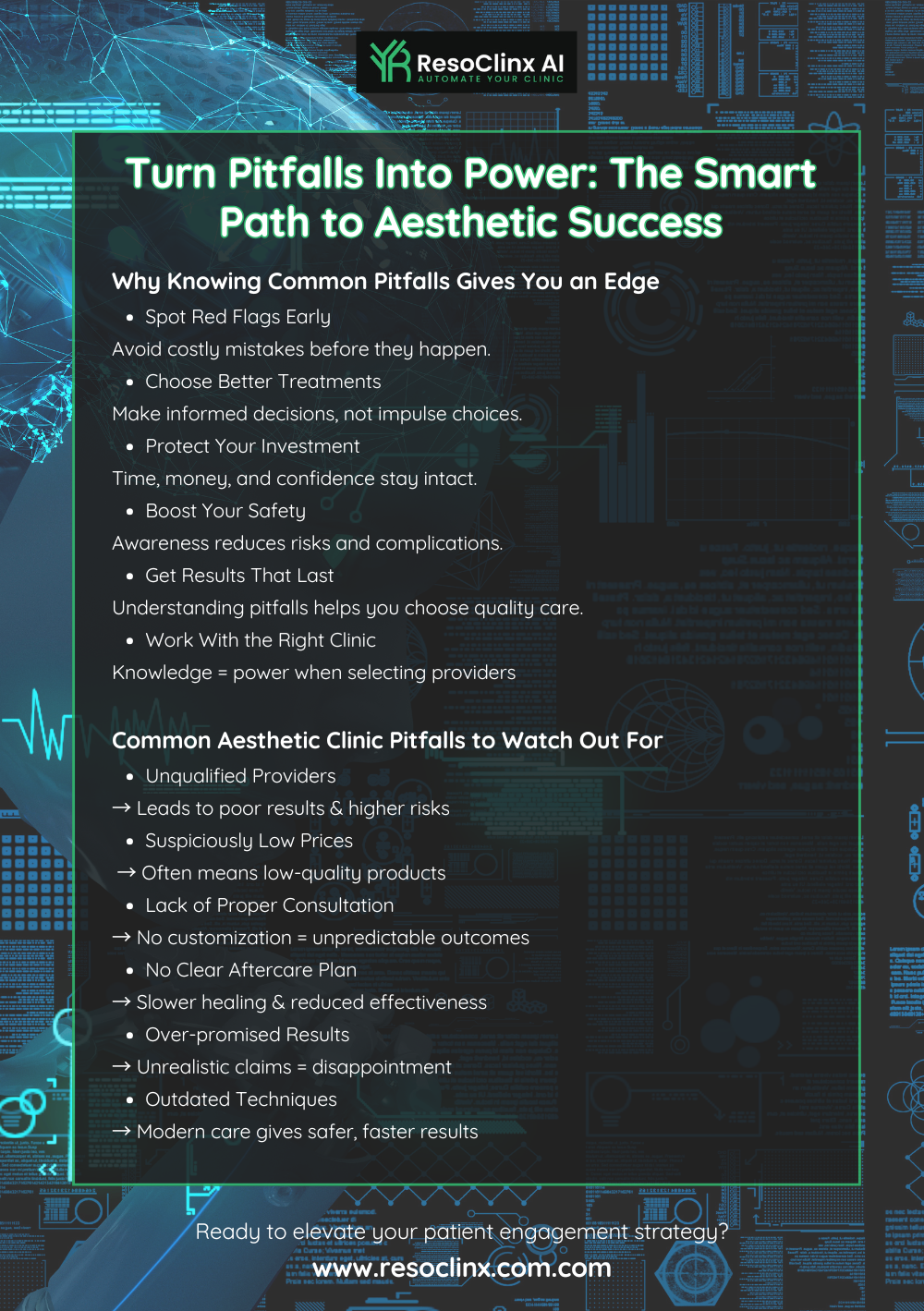
Misaligned Marketing Platform Choices
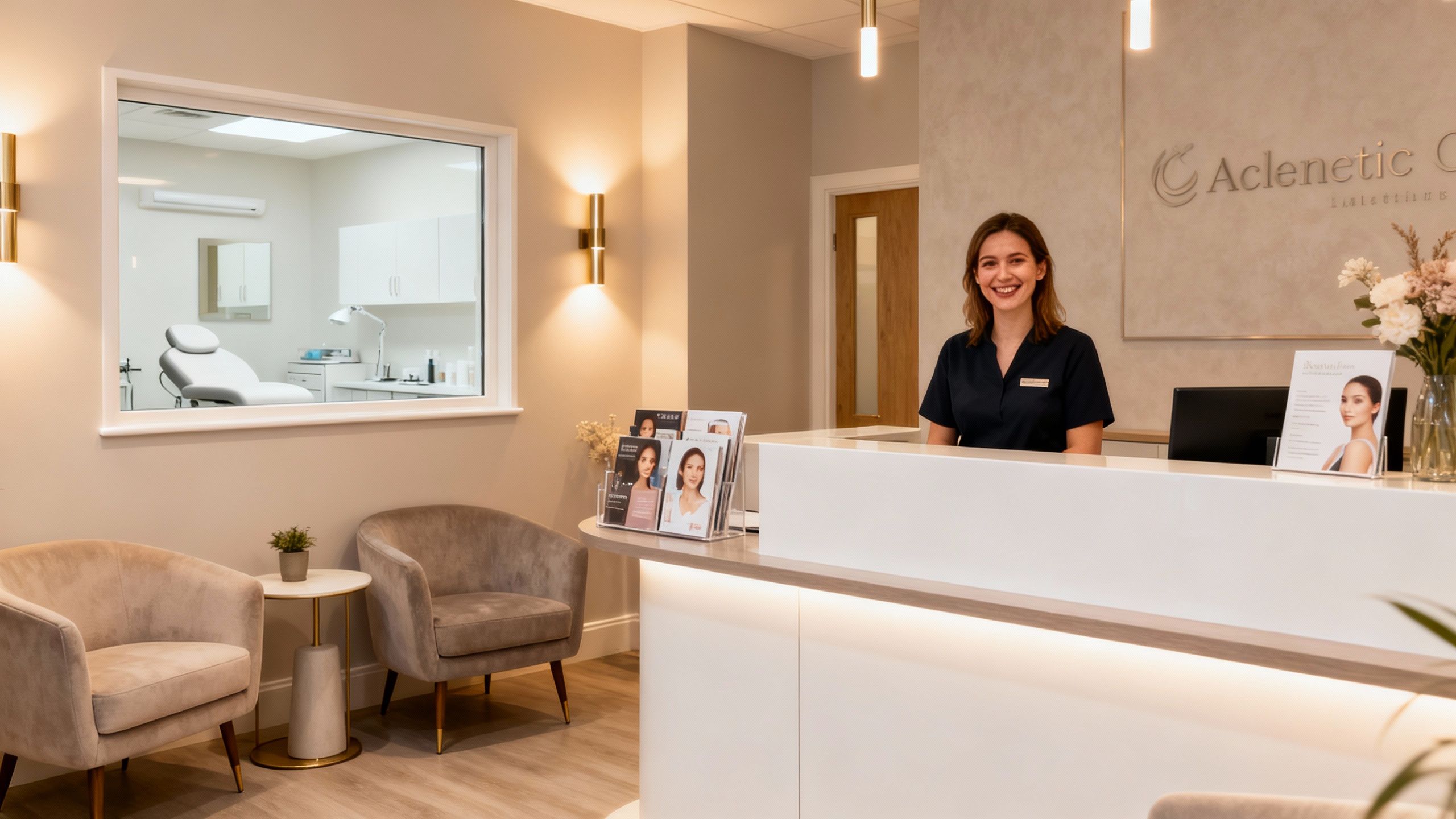
It’s easy to get caught up in trying to be everywhere online, but that’s often a mistake. Spreading your marketing efforts too thinly across platforms that don’t quite fit your clinic or your ideal patient can be a real drain on time and resources.
Think about it: if your clinic focuses on advanced anti-ageing treatments, is TikTok really the best place to find those clients, or would platforms like Instagram or even targeted Facebook ads be more effective?
Choosing the right marketing channels is about meeting your potential patients where they already are.
Here’s a breakdown of common missteps and how to avoid them:
Spreading Efforts Too Thin Across Unsuitable Channels
Many clinics feel they need a presence on every social media site, every advertising network, and every directory. This scattergun approach means your message gets diluted, and you end up putting a lot of effort in for very little return.
It’s far better to pick a few platforms where your target audience is most active and really make them work for you. For example, if you specialise in cosmetic injectables for a younger demographic, Instagram and TikTok might be your go-to.
If you offer a wider range of treatments for a more mature clientele, Facebook and perhaps even LinkedIn could be more appropriate.
Not Understanding Platform-Specific Best Practices
What works on one platform might fall completely flat on another. A visually driven platform like Instagram thrives on high-quality images and short videos. LinkedIn, on the other hand, is more professional and might be better suited for sharing industry insights or clinic news.
Simply copying and pasting the same content everywhere won’t cut it. You need to tailor your message and format to suit the audience and the way they use each platform. This means understanding things like:
- Content Format: Images, videos, carousels, stories, text posts.
- Audience Demographics: Who uses the platform and what are their interests?
- Engagement Style: How do people interact on this platform (e.g., comments, shares, direct messages)?
- Advertising Options: What kind of paid campaigns are available and effective?
Failing to Identify Where Your Ideal Client Spends Time
This is perhaps the most critical point. Before you invest time and money into any marketing channel, you need to do your homework.
- Who is your ideal patient?
- What are their demographics (age, location, interests)?
- What are their concerns and goals?
Once you have a clear picture of your target patient, you can then figure out which online spaces they frequent.
Ask your current patients how they found you. Look at the analytics from your website and any existing social media. Don’t guess; use data to guide your platform choices.
It’s about being smart with your marketing budget and your time. Instead of trying to shout into every corner of the internet, focus your energy on the channels that will actually connect you with the people most likely to become your patients. This targeted approach is far more effective and will yield better results for your clinic.
Underestimating The Value Of Data
It’s easy to get caught up in the day-to-day running of an aesthetics clinic, focusing on treatments and patient care. But if you’re not paying attention to the numbers, you might be missing out on some serious growth opportunities.
Ignoring data is like driving blindfolded. You might be moving, but you have no idea if you’re heading in the right direction or about to hit a wall.
Not Tracking Key Performance Indicators
Think about what really matters for your clinic’s success. It’s not just about how many people book appointments; it’s about understanding the whole journey. Are you tracking where your leads come from? How many of those leads actually turn into paying patients? What’s the average amount a patient spends with you over time?
These are your key performance indicators (KPIs), and they tell a story.
Here’s a look at some essential metrics:
| Metric | What it Tells You |
|---|---|
| Cost Per Lead (CPL) | How much you spend to get one potential patient. |
| Conversion Rate | Percentage of leads that become actual patients. |
| Patient Lifetime Value (PLV) | Total revenue expected from a single patient. |
| Return on Ad Spend (ROAS) | Revenue generated for every pound spent on advertising. |
Without tracking these, you’re just guessing which marketing efforts are actually paying off.
Ignoring The Impact Of Marketing Spend
Every pound you spend on marketing should have a purpose and a measurable outcome. If you’re running ads on social media, sending out email newsletters, or even paying for local flyers, you need to know if it’s working.
Are you spending a lot on a particular channel that brings in very few patients? Or is a smaller, less flashy campaign bringing in your best clients?
It’s tempting to stick with what feels familiar, but data can reveal that your budget could be far more effective if reallocated. Don’t be afraid to shift resources away from underperforming activities and invest more in what’s demonstrably bringing in revenue and the right kind of patients.
Failing To Adapt Based On Performance Metrics
This is where the real magic happens. You’ve tracked your KPIs, you understand your marketing spend, and now you can see what’s working and what’s not. The next step is to act on that information.
If your Instagram ads are bringing in a lot of interest but few bookings, maybe the call to action needs tweaking, or the landing page isn’t clear enough. If patient testimonials are consistently mentioning a specific service, perhaps that’s an area to promote more heavily.
Here’s a simple approach to adapting:
- Review: Look at your data regularly (weekly or monthly).
- Analyse: Identify trends, successes, and areas for improvement.
- Adjust: Make changes to your marketing strategies based on your findings.
- Measure: Track the impact of your adjustments.
This cycle of review, analysis, and adaptation is what separates clinics that tread water from those that experience consistent, sustainable growth. Data isn’t just numbers; it’s a roadmap to a more successful and profitable clinic.
Neglecting The Waiting Room Experience
It’s easy to get caught up in the treatments and the consultations, but what about the first impression? The waiting room is often the very first physical space a potential client experiences when they visit your clinic.
Making this space welcoming and informative can significantly impact their perception of your brand. A sterile, uninviting waiting area can inadvertently create anxiety, which is the last thing you want before a cosmetic procedure.
Creating A Cold And Sterile Environment
Think about it: a room with bare walls, minimal seating, and perhaps a dated magazine or two.
This doesn’t exactly scream ‘cutting-edge aesthetics’ or ‘calm and reassuring’. Instead, it can feel impersonal and even a bit clinical, which might not align with the sophisticated, results-driven image you’re aiming for.
Clients are coming to you for aesthetic improvements, and the environment should reflect that sense of care and attention to detail. A lack of thoughtful design here can make your clinic feel less like a premium service provider and more like a standard doctor’s office.
Missing Opportunities For Soft Selling Services
Your waiting room is prime real estate for marketing. Instead of just letting clients sit in silence, use the space to subtly educate them about your full range of services. This could involve:
- Displaying high-quality before-and-after photos: These are powerful visual testimonials that speak volumes about your results.
- Providing informative brochures or magazines: Create your own clinic-branded materials that detail your treatments, the science behind them, and patient success stories.
- Showcasing testimonials: Consider tasteful wall art featuring quotes from satisfied clients or even a screen displaying a loop of positive feedback.
- Offering samples or small product displays: If you sell skincare or aftercare products, a small, elegant display can pique interest.
This isn’t about aggressive sales tactics; it’s about providing valuable information in a relaxed setting, allowing clients to discover new treatments or learn more about services they might be considering.
Failing To Build Trust Before The Consultation
The waiting room is your chance to start building rapport and trust before the formal consultation even begins.
A well-appointed waiting area, coupled with engaging content, can help put clients at ease. It shows you’ve considered their comfort and experience from the moment they arrive.
A thoughtfully designed waiting area, filled with subtle cues about your clinic’s expertise and patient care, can transform a potentially anxious wait into an opportunity to reinforce the client’s decision to choose your clinic. It’s about creating an atmosphere that is both professional and reassuring, setting the stage for a positive and productive consultation.
Poorly Managed Patient Communications

In the world of aesthetics, where trust and personal connection are paramount, communication breakdowns can be incredibly damaging. It’s not just about answering the phone; it’s about the entire patient journey, from their very first enquiry to their post-treatment care.
When communication falters, it can lead to missed opportunities, frustrated potential patients, and a dent in your clinic’s reputation.
Delayed Responses to Enquiries
Imagine a potential patient is excited about a treatment and reaches out. If they don’t hear back promptly, that excitement can quickly turn into disappointment, and they might just look elsewhere.
Timeliness is key in converting interest into appointments. A delay of even a few hours can mean the difference between a booked slot and a lost client.
This is especially true in a competitive market where other clinics might be quicker to respond.
Here’s a look at typical response times and their impact:
| Response Time | Likelihood of Conversion | Potential Patient Feeling |
|---|---|---|
| Under 4 hours | High | Valued, Impressed |
| 4-24 hours | Moderate | Satisfied, but less so |
| 24-48 hours | Low | Frustrated, Ignored |
| Over 48 hours | Very Low | Disappointed, Lost |
Lack of Clear Communication on Services and Values
Are your services clearly explained? Do potential patients understand what makes your clinic unique? Vague descriptions or a lack of transparency about pricing, procedures, and your clinic’s ethos can create confusion and mistrust. Patients need to feel informed and confident before they commit to a treatment.
- Be specific: Clearly outline what each treatment involves, the expected results, and any potential risks or downtime. Use simple language, avoiding overly technical jargon.
- Showcase your values: Communicate what your clinic stands for – perhaps it’s a commitment to natural results, patient education, or cutting-edge technology. This helps attract patients who align with your philosophy.
- Transparency is vital: Be upfront about pricing and what’s included. Hidden costs or unclear fee structures can lead to dissatisfaction later on.
Patients often research extensively online before making a decision. If your website or marketing materials don’t provide clear, consistent information, they may assume your practice lacks professionalism or attention to detail. This can be a significant barrier to booking a consultation.
Not Facilitating Initial Consultations with Treatment Providers
While administrative staff play a vital role, the initial consultation is often a patient’s first direct interaction with the person who will be performing their treatment. Allowing patients to meet and speak with their treatment provider early on builds significant trust.
It gives them a chance to ask specific questions, gauge the provider’s expertise, and feel more comfortable with the proposed plan. Skipping this step can leave patients feeling like they’re just another number, rather than an individual with unique needs and concerns.
Building a Stronger Clinic
Aesthetic clinics thrive when patient experience and effective communication work hand in hand. By avoiding these common marketing mistakes, you create a smoother journey for potential and existing clients — from their first online impression to their in-clinic interactions.
With a more thoughtful, data-driven approach, your clinic can grow sustainably while maintaining the quality and care your patients expect.