
Planning a marketing budget for aesthetic clinics can often feel overwhelming. You want to attract more clients and strengthen your brand presence, but without overspending on strategies that don’t deliver results.
A realistic, well-planned marketing budget helps you focus on what genuinely works, ensuring you grow sustainably without financial pressure. This guide breaks down how to structure an effective marketing budget for aesthetic clinics using clear, practical steps.
Key Takeaways
- Understand your clinic’s current financial situation and set clear, achievable growth targets.
- Allocate your marketing budget for aesthetic clinics based on ROI, balancing both digital and traditional channels.
- Build a strong online presence through an optimised website and local SEO for clinics.
- Use content, email marketing, and community engagement to build loyalty.
- Track your results regularly and adjust your budget based on data.
Understanding Your Aesthetic Clinic’s Financial Landscape

Before allocating any part of your budget, it’s essential to understand the financial foundations of your clinic. This isn’t about complex accounting; it’s simply about having a clear view of what you earn, what you spend, and what you can confidently invest into aesthetic clinic marketing.
Without this step, any marketing budget becomes guesswork.
Assessing Current Performance Metrics for Informed Decisions
Understanding your performance metrics allows you to make informed, strategic decisions instead of relying on assumptions. These figures show how well your clinic is operating and where opportunities for growth may be hiding.
Here are some important metrics to review:
- Revenue per treatment hour – Helps you see whether your time and resources are being used efficiently.
- Client retention rate – Retaining clients is often more cost-effective than acquiring new ones.
- Average ticket value – Shows how much clients spend per visit and whether there is room for add-ons or treatment packages.
- Marketing ROI – Indicates whether your marketing spend is generating profit.
Evaluating which treatments are both popular and profitable will give clarity on what services deserve more promotional focus.
Setting Achievable Financial Goals for Growth
Once you know where you stand, outline realistic financial goals. Avoid overly ambitious targets that can create frustration. Instead, consider clear and measurable objectives such as:
- Increasing your average ticket value by £15–£20 over the next quarter.
- Boosting your client retention rate by 5% within six months.
- Growing new client bookings by a set percentage each month.
These smaller, attainable steps contribute to long-term growth.
Understanding your clinic’s financial performance isn’t just about looking at past results; it’s about using that information to build a clear, actionable plan for the future. It’s the bedrock upon which a successful marketing strategy is built.
Defining Your Target Audience for Effective Outreach
To attract more clients, you must first identify who they are. Targeting everyone rarely works in aesthetic clinic marketing. Instead, define your ideal client by considering:
- Demographics: Age, gender, location, income.
- Psychographics: Concerns, goals, lifestyle behaviours, and expectations.
- Treatment preferences: e.g., rejuvenation, anti-ageing, acne management, or body contouring.
Creating a buyer persona helps tailor messages that resonate with your audience more effectively.
Strategic Allocation for Your Marketing Budget for Aesthetic Clinics

Prioritising Marketing Channels for Maximum Return on Investment
When you’re figuring out where your marketing money goes, it’s not about spending everywhere. It’s about spending smart. Think of your budget like a tool to get the best results for your clinic.
We need to be strategic about this, looking at what actually brings people through the door and keeps them coming back.
Here’s a breakdown of how to think about it:
- Look at what’s worked before: Did that Facebook ad campaign bring in a lot of bookings? Or did a local event generate buzz? Analyse your past results. If a channel consistently performs well, it makes sense to put more resources there. Conversely, if something isn’t working, don’t keep throwing money at it.
- Understand your audience’s habits: Where do your potential clients spend their time online and offline? Are they scrolling through Instagram, reading blogs, or attending local community events? Tailor your spending to meet them where they are.
- Don’t be afraid to test new things: Set aside a small portion of your budget for trying out new platforms or marketing ideas. You might discover a new, effective way to reach people.
Allocating Funds Across Digital and Traditional Avenues
It’s easy to get caught up in the digital world, and for good reason – it’s where a lot of people are. But sometimes, a good old-fashioned approach can still work wonders. A balanced approach often yields the best results.
Here’s a general idea of how you might split your budget, but remember, this needs to be adjusted based on your clinic’s specific situation and your target audience:
| Marketing Area | Suggested Percentage | Notes |
|---|---|---|
| Digital Advertising | 35-45% | Google Ads, social media ads (Facebook, Instagram, TikTok etc.) |
| Content Creation & SEO | 20-30% | Blog posts, videos, website optimisation, local SEO |
| Email Marketing | 10-15% | Newsletters, special offers, patient retention campaigns |
| Local Partnerships & Events | 5-10% | Community events, collaborations with local businesses, sponsorships |
| Website & Software Maintenance | 5-10% | Website hosting, booking software, CRM tools |
The key is to not put all your eggs in one basket. A mix of digital and traditional methods can create a more robust marketing presence. For example, a strong online presence can be complemented by local print advertising or community involvement.
Budgeting for Essential Marketing Activities and Software
Beyond the big campaigns, there are the day-to-day things that keep your marketing engine running smoothly. These are the behind-the-scenes costs that are often overlooked but are really important for success.
- Website upkeep: This includes hosting fees, domain registration, and any necessary updates to keep your site secure and running fast. A slow or outdated website can turn potential clients away.
- Marketing software: Think about tools like email marketing platforms, social media scheduling tools, or customer relationship management (CRM) systems. These can save you a lot of time and help you manage your client interactions more effectively.
- Professional development: Sometimes, you might need to invest in training for yourself or your team to stay up-to-date with the latest marketing trends or software. This is an investment in your clinic’s future capabilities.
- Creative assets: This could be anything from professional photography for your website and social media to graphic design for brochures or ads. High-quality visuals make a big difference.
It’s about making sure you have the right tools and skills in place to execute your marketing plan effectively. Don’t forget to factor these into your overall budget.
Building a Robust Online Presence for Client Acquisition
Your clinic’s online presence is often the very first impression potential clients have. It’s your digital shop window, and it needs to be inviting, informative, and easy to interact with.
Making sure your website and social media profiles are polished and functional is key to attracting new patients and keeping existing ones engaged. Think of it as building a welcoming virtual reception area.
Optimising Your Clinic’s Website for User Experience
Your website is the cornerstone of your online identity. It needs to be more than just a digital brochure; it should be a user-friendly hub that guides visitors towards booking a consultation or learning more about your services.
A slow-loading, confusing website can send potential clients straight to a competitor.
Here’s what to focus on:
- Speed and Responsiveness: Ensure your site loads quickly on all devices, especially mobile phones. Most people browse on their phones these days, so a mobile-friendly design isn’t just a nice-to-have, it’s a must.
- Clear Navigation: Make it easy for visitors to find what they’re looking for. Organise your services logically and have a clear menu.
- Engaging Content: Use high-quality images and videos of your treatments and results (with client consent, of course!). Include detailed service descriptions and client testimonials to build trust.
- Call to Actions (CTAs): Guide visitors on what to do next. Buttons like ‘Book a Consultation’, ‘Learn More’, or ‘Contact Us’ should be prominent and easy to spot.
Leveraging Social Media and Influencer Collaborations
Social media platforms are powerful tools for connecting with your audience and showcasing your clinic’s personality. They offer a direct line to potential clients, allowing you to share updates, promotions, and educational content.
- Profile Optimisation: Treat your social media profiles like mini-websites. Ensure all information is complete and accurate, use professional imagery, and write a compelling bio that clearly states what you do and who you help. A link in your bio should direct users to your website or booking page.
- Content Strategy: Plan your posts. Mix up service highlights, before-and-after photos, client testimonials, educational tips, and behind-the-scenes glimpses of your clinic. Consistency is important, so consider using a content calendar.
- Targeted Advertising: Social media ads allow you to reach very specific demographics. Define your goals – whether it’s brand awareness, website traffic, or direct bookings – and use the platform’s targeting options to find your ideal clients.
- Influencer Partnerships: Collaborating with local influencers who align with your brand can introduce your clinic to a new, engaged audience. Choose influencers whose followers match your target demographic and who have a genuine interest in aesthetic treatments.
Implementing Local SEO and Google Business Profile Strategies
When people search for aesthetic treatments in your area, you want your clinic to appear at the top of the search results.
Local Search Engine Optimisation (SEO) and a well-managed Google Business Profile are vital for this.
- Google Business Profile (GBP): This is like your clinic’s digital front door on Google. Ensure your profile is fully completed with accurate business hours, contact information, services offered, and high-quality photos. Encourage clients to leave reviews, as positive reviews significantly boost your local ranking.
- Local Keywords: Use keywords that potential clients in your area would search for, such as “[treatment name] in [your town/city]” or “best aesthetic clinic near me”. Incorporate these naturally into your website content and GBP description.
- Online Directories: Listing your clinic in relevant online directories can improve your local visibility and build credibility.
A strong online presence isn’t just about being visible; it’s about being found by the right people and making it easy for them to choose you.
Investing in Content and Community Engagement
Developing a Value-Driven Content Strategy
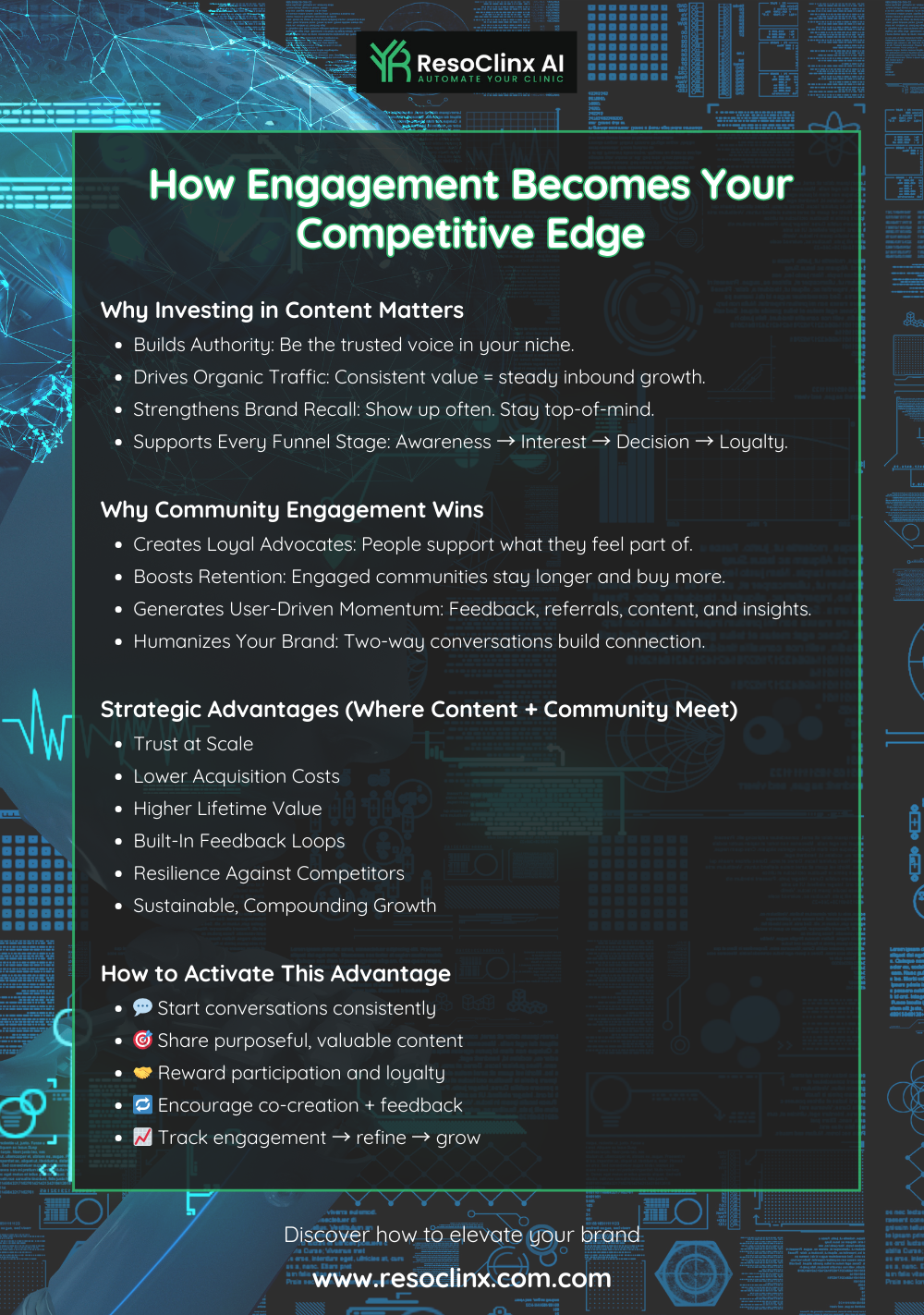
People aren’t just looking for a quick fix; they want to understand what they’re getting into and feel confident in their choice. That’s where a solid content strategy comes in. It’s about sharing your knowledge and building trust, not just selling treatments.
Think about what your potential clients are searching for online. Are they wondering about the best way to tackle acne, or curious about the difference between two popular anti-ageing procedures? Your clinic’s blog is the perfect place to answer these questions. By providing helpful, informative articles, you become a go-to resource.
This not only helps people make informed decisions but also shows them you’re an expert in your field.
A well-planned content strategy helps build authority and attracts clients who are genuinely interested in your services.
Here are some ideas to get you started:
- Educational Blog Posts: Write about common skin concerns, explain different treatments in simple terms, and debunk myths. For example, “Understanding Hyperpigmentation: Causes and Treatments” or “Is Microneedling Right for You? A Comprehensive Guide.”
- Behind-the-Scenes Glimpses: Share short videos or photos of your clinic’s environment, introduce your team, and show the care that goes into each client’s experience. This humanises your brand.
- Client Spotlights (with permission): Feature anonymised case studies or testimonials that highlight successful treatment journeys. This provides real-world proof of your clinic’s capabilities.
Creating content that educates and reassures potential clients is key to building a strong, lasting relationship. It’s about being a trusted advisor, not just a service provider.
Engaging Your Audience Through Email Marketing
Once you’ve created great content, you need to get it in front of the right people. Email marketing is a fantastic way to stay connected with your existing clients and nurture potential leads.
It’s a direct line to people who have already shown interest in your clinic. Think of your email list as a community you’re building.
Regular newsletters can keep your clinic top-of-mind. You can share:
- New Treatment Announcements: Let your subscribers know about the latest services you’re offering.
- Seasonal Offers and Promotions: Special deals can encourage bookings, especially around holidays or specific times of the year.
- Curated Content Roundups: Share links to your latest blog posts, helpful tips, or even relevant industry news.
- Exclusive Content: Offer subscribers early access to information or special guides.
It’s important to segment your email list where possible. For instance, sending information about acne treatments to someone who has enquired about them is much more effective than a general broadcast. This personalised approach makes your communication feel more relevant and less like spam.
Exploring Local Partnerships and Event Sponsorships
Don’t forget the power of connecting with your local community. Partnering with complementary businesses can introduce your clinic to a new audience. Think about businesses that share a similar clientele but don’t directly compete. This could include:
- High-end Salons or Spas: Collaborate on cross-promotional offers or joint events.
- Boutique Fitness Studios or Wellness Centres: Offer exclusive discounts to their members or co-host wellness workshops.
- Local Retailers: Partner for special events or offer joint giveaways.
Sponsoring local events, like charity fun runs or community fairs, can also increase your clinic’s visibility. It shows you’re invested in the area and provides opportunities for face-to-face interaction.
Even a small presence, like a branded stall offering mini consultations or handing out helpful leaflets, can make a difference. Building these local connections can lead to strong word-of-mouth referrals and a loyal client base.
Measuring Success and Refining Your Strategy

So, you’ve put in the effort, launched your marketing campaigns, and now it’s time to see what’s actually working. It’s easy to get caught up in the excitement of new initiatives, but without looking at the numbers, you’re essentially flying blind.
This section is all about making sure your marketing spend is actually paying off and how to tweak things so it does.
Tracking Key Performance Indicators for Growth
This is where we get down to the nitty-gritty. You need to know what metrics matter most for your aesthetic clinic. Forget vanity metrics like just ‘likes’ on social media; we’re talking about things that directly impact your bottom line.
Here are some of the most important ones to keep an eye on:
- Client Acquisition Cost (CAC): How much does it cost you, on average, to get a new client through the door? This includes all your marketing and sales expenses divided by the number of new clients acquired.
- Return on Investment (ROI): This tells you if your marketing efforts are actually making you money. It’s the profit from your marketing campaigns minus the cost of those campaigns, all divided by the cost of the campaigns.
- Lead Conversion Rate: What percentage of people who inquire about your services actually book an appointment or become a paying client? A low rate here might mean your consultations need work, or your pricing isn’t quite right.
- Client Retention Rate: It’s often cheaper to keep an existing client than to find a new one. This metric shows you how many clients are coming back over a specific period. High retention means happy clients!
- Average Revenue Per Client: How much does the average client spend with you? Tracking this helps you predict income and identify opportunities to upsell or cross-sell.
It’s a good idea to set up a simple spreadsheet or use a CRM system to track these figures regularly. Seeing these numbers laid out can be really eye-opening.
Adapting Your Marketing Plan Based on Data
Once you’ve got your data, the next step is to actually use it. Don’t just collect numbers for the sake of it. If your CAC is sky-high for a particular channel, maybe it’s time to pull back on that spend and reallocate it elsewhere. Or, if your lead conversion rate is low, perhaps your consultation process needs a bit of a tune-up.
Think about it like this:
- Review your top-performing channels: Where are most of your high-quality leads coming from? Double down on those. If Instagram is bringing in great clients, invest more time and resources there.
- Identify underperforming areas: Are you spending a lot on Google Ads but not seeing many bookings? It might be time to review your keywords, ad copy, or landing page.
- Gather client feedback: Data tells part of the story, but client feedback tells the rest. Use simple surveys after appointments or even just ask clients how they heard about you. This qualitative data can give you context for the numbers.
The key here is to be agile. The marketing landscape changes, client preferences shift, and what worked last quarter might not work today. Regular reviews – perhaps monthly or quarterly – are vital for staying on track and making sure your budget is working as hard as possible for your clinic.
Budgeting for Ongoing Operational Costs and Future Investments
You need to factor in the costs of maintaining your marketing efforts, not just launching new campaigns. This includes things like:
- Software subscriptions: CRM systems, email marketing platforms, social media scheduling tools, analytics software – these all have ongoing costs.
- Content creation: Even if you’re doing it yourself, there’s a time cost. If you outsource, there’s a direct financial cost.
- Advertising spend: This is the obvious one, but it needs to be a consistent line item.
- Staff training: Keeping your team up-to-date on marketing best practices or new treatment promotions is an investment.
Beyond the day-to-day, you also need to think about the future. Are you planning to launch a new service next year? Do you want to invest in a new piece of marketing technology?
Setting aside a portion of your budget for future investments will help you grow and stay competitive. It’s about building a sustainable marketing engine for your clinic, not just a quick fix.
Conclusion
Creating a realistic marketing budget for your aesthetic clinic helps you stay focused on what matters: sustainable growth, balanced spending, and strategies that deliver genuine results.
By understanding your finances, allocating your budget wisely, building a strong online presence, and continuously reviewing your data, you position your clinic for consistent success.