
In the busy world of aesthetic clinics, keeping existing clients engaged while attracting new ones is a constant challenge. Email marketing gives you a direct, low-cost way to stay in touch with patients, share expert advice and support long-term results – without feeling “salesy”.
When it’s done well, email marketing for aesthetic clinics isn’t about blasting out generic messages. It’s about sending relevant, timely and helpful content to the right people at the right moment: post-treatment guidance, educational content, seasonal skincare advice and occasional well-judged offers.
This guide walks through practical email marketing best practices tailored specifically to aesthetic clinics, so you can build trust, demonstrate expertise and support sustainable practice growth.
Key Takeaways
Build a permission-based email list from your website, online booking and clinic reception. Make sure people clearly understand what they’re signing up for.
Segment your list instead of sending the same email to everyone. Group clients by treatment type, skin concern or stage in their journey so your messages feel highly relevant.
Create valuable, educational content rather than constant promotions. Share treatment explanations, skincare tips, and patient stories that help clients make informed decisions.
Keep your emails on-brand and easy to read. Use consistent colours, fonts and a clear layout that reflects your clinic’s look and feel.
Personalise wherever possible. Use names, relevant treatments and past behaviour to make emails feel tailored, not templated.
Automate key journeys such as welcome series, post-treatment follow-ups and re-engagement campaigns to save time and keep communication consistent.
Monitor performance metrics like open rate, click-through rate and conversions so you can refine what works and attract more of the right clients.
1. Building a Strong Email List

A high-quality, permission-based email list is the foundation of any effective email marketing strategy for an aesthetic clinic. Without a list of people who have chosen to hear from you, even the best-designed emails won’t deliver results.
Making it easy for clients to opt in
Make it simple and obvious for people to join your list:
Website sign-up forms: Place a clear form on key pages (homepage, treatment pages, blog). Use a short description such as:
“Receive expert skincare tips, treatment education and clinic updates. No spam, just helpful advice.”Online booking journey: When clients book online, include an opt-in checkbox for marketing emails. Make sure it’s not pre-ticked and explain what they’ll receive.
In-clinic sign-ups: At reception, use a tablet, QR code or simple paper form so clients can subscribe while they check in or pay. Your team can briefly explain the benefits: expert advice, aftercare support and occasional updates.
Social media: Encourage followers to join your email list for deeper, more detailed content than you can share in a post – such as treatment guides or skincare routines.
Offering ethical incentives
Gentle incentives can increase sign-ups:
Website pop-ups or banners: Offer a small introductory discount, or a downloadable skincare guide in exchange for an email address.
Social media competitions: Run a simple giveaway where entering requires email subscription, making sure the terms are clear and compliant.
Keep incentives relevant and modest so they enhance your professional brand rather than devaluing your services.
Prioritising consent and trust
For a UK clinic, it’s essential to work within UK GDPR and PECR (Privacy and Electronic Communications Regulations). In most cases, you’ll need clear consent before sending marketing emails to individuals:
Use an active opt-in (e.g. unticked checkbox) rather than automatically adding clients.
Clearly state what type of emails they’ll receive and how often.
Link to your privacy notice so clients can see how their data is handled.
This isn’t just about compliance – it also builds trust from day one. People are far more likely to open emails from a clinic they know they opted in to hear from.
2. Segmenting Your Audience for Targeted Messaging
Sending the same email to everyone is rarely effective. Your patients have different concerns, treatment histories and goals, so your email marketing should reflect that.
Why segmentation matters for aesthetic clinics
Segmentation means dividing your list into smaller groups so you can send more targeted, relevant content. Instead of one generic newsletter, you tailor messages to:
The treatments people are interested in
Their skin concerns
Their stage in the client journey
This helps your emails feel more like expert advice and less like mass marketing.
Practical segmentation ideas
You don’t need complex software to start. Even simple segments are powerful:
By treatment interest or history:
Skin rejuvenation treatments
Injectable treatments (e.g. anti-wrinkle, dermal fillers)
Laser treatments (e.g. laser hair removal, pigmentation)
Body contouring or medical-grade facials
By skincare concern:
Acne and congestion
Rosacea or redness
Signs of ageing
Pigmentation or melasma
By client status:
New enquiries
First-time patients
Regulars on maintenance plans
Lapsed clients who haven’t visited in a while
By demographics (where appropriate):
Age bands or location can help tailor messages around lifestyle, sun exposure or seasonal concerns.
The result of better targeting
When clients receive emails that speak directly to their needs, they are more likely to:
Open your emails
Click on links to learn more
Book consultations or follow-up treatments when ready
Segmentation also helps you position your emails as a helpful extension of clinical care, rather than generic marketing.
3. Crafting Compelling and Valuable Email Content
Your clients’ inboxes are busy, so your emails need to offer genuine value to stand out. The goal is to educate and support, not bombard people with offers.
Content ideas for aesthetic clinic emails
Think about the questions you’re asked every day in clinic. Those questions make excellent email topics.
Some proven formats include:
Treatment spotlights:
Instead of simply listing a treatment, explain:What it is
Who it’s suitable for
How it works
Expected downtime and results
Include before-and-after images (with explicit consent) and realistic expectations.
Skincare tips and routines:
Share evidence-based advice on:Building a simple routine
Seasonal skincare (e.g. winter dryness, summer SPF)
Active ingredients such as retinoids, vitamin C or acids
This positions your clinic as a trusted educator, not just a treatment provider.
Behind-the-scenes insights:
Introduce team members, new equipment or updated protocols. This makes your clinic feel approachable and human, while reinforcing professionalism.Patient success stories:
With consent, share anonymised case studies: the concern, the approach and the outcome. These add social proof and help potential clients understand realistic journeys.Seasonal or event-based content:
Link content to the time of year or common events – such as pre-wedding skincare plans, post-holiday skin repair or winter hydration tips.
Keeping the tone clear and accessible
Avoid overly technical language unless you explain it. Aim for:
Plain English explanations for complex treatments
Short paragraphs and clear subheadings
A tone that is warm, expert and reassuring, rather than pushy or sales-driven
Even when you mention promotions, ensure there is educational value in every email. When patients see you as a trusted advisor, they are more likely to return to you when they are ready for their next treatment.
4. Designing Visually Appealing and Brand-Consistent Emails
Design is more than aesthetics – it affects how professional and trustworthy your clinic appears.
Reflecting your clinic brand
When someone opens your email, they should instantly recognise your clinic identity:
Use your logo in a consistent position (often top-left or centre).
Stick to your brand colours for headings, buttons and accents.
Use the same typography family you use across your website and printed materials, or a close digital equivalent.
This consistency makes your emails feel like a natural part of your overall aesthetic clinic marketing.
Layout, imagery and mobile experience
To keep emails easy to consume:
Use a clean, simple layout with plenty of white space.
Break content into short sections with clear headings and bullet points.
Choose professional, high-resolution images that are relevant to the content (treatment rooms, devices, skin close-ups, not generic stock images where possible).
Always obtain written consent for any identifiable patient images.
Check that emails render well on mobile devices, where many patients will read them.
Readability as a priority
Make sure your design supports readability:
Use fonts like Arial, Helvetica, Verdana or similar sans-serif typefaces.
Keep body text at 14px or larger to support accessibility.
Use high contrast between text and background for legibility.
A well-designed, consistent template saves time, looks professional and encourages clients to spend longer engaging with your content.
5. Personalising Your Email Campaigns
Personalisation helps your emails feel like part of a one-to-one relationship, rather than a broadcast.
Beyond using a first name
Using a client’s first name is a good start, but personalisation can go much further:
Reference recent treatments (e.g. “Following your recent microneedling session…”).
Tailor content to their skincare concern (acne, redness, ageing, pigmentation).
Adjust tone and content to their stage in the journey (new enquiry vs. long-term patient).
Practical personalisation ideas
You can:
Use client data wisely:
Send post-treatment aftercare emails.
Share maintenance advice or top-up information at sensible intervals.
Suggest relevant educational content based on previous treatments.
Combine segmentation with dynamic content:
Some email platforms allow you to show different content blocks to different segments within the same email. For example, one group sees information on injectable maintenance, while another sees guidance on managing rosacea.
Personalisation shows you are paying attention to each patient’s individual journey, which is particularly important in aesthetics where care is highly personal.
6. Implementing Automated Follow-Up Emails
Automation lets you provide consistent, timely communication without needing to remember every detail manually.
Essential automated email sequences for aesthetic clinics
Some useful automations include:
Welcome series:
When someone first subscribes, send a short sequence that:Introduces your clinic and team
Explains your treatment philosophy and safety standards
Shares your most helpful blog posts or guides
Post-treatment check-ins:
Schedule an email a few days after key treatments to:Check on recovery
Reinforce aftercare instructions
Offer a simple way to contact the clinic with concerns
Appointment reminders:
Automatically remind patients of upcoming appointments, including any pre-treatment advice, parking or access information.Maintenance reminders:
For treatments on a cycle (e.g. injectables, laser courses), set reminders when patients are likely due a top-up or review.Re-engagement campaigns:
For clients who haven’t visited in a while, send a gentle “We’d love to stay in touch” message, including helpful content and an easy option to update their preferences.
Automated emails, when thoughtfully written, help patients feel supported and remembered, while freeing your team to focus on clinical care.
7. Offering Exclusive Promotions and Discounts
Discounts should support your clinical and commercial strategy, not drive it. Used carefully, they can help you reward loyalty and introduce new treatments.
Using offers responsibly
For an aesthetic clinic, it’s important that promotions:
Feel aligned with quality care and safety
Never pressure patients into treatment
Are time-bound without creating unnecessary urgency
Support your broader brand positioning
Promotion ideas for your email list
Consider:
Seasonal packages:
For example, a “Winter Skin Recovery” package combining medical-grade skincare with a gentle in-clinic treatment.Course or bundle pricing:
Provide a modest saving when patients commit to a full treatment plan, supporting better results and adherence.Referral recognition:
Offer a small thank-you to patients who refer friends or family, such as a credit towards treatment or skincare (always within local advertising and professional guidelines).Birthday acknowledgements:
A birthday email with a complimentary skincare consultation or small perk can make patients feel genuinely valued.
Position offers as a way of supporting long-term skin health, not chasing quick sales.
8. Measuring Success: Email Marketing Metrics and Analytics
To understand whether your email marketing is working, you’ll need to track key performance metrics. You don’t have to be a data expert – just consistent.
Core metrics to monitor
Open rate:
The percentage of recipients who open your email. This helps you assess how effective your subject lines and send times are.Click-through rate (CTR):
The percentage of recipients who click a link in your email. This shows how engaging your content and calls-to-action are.Conversion rate:
The percentage of recipients who complete a specific goal, such as booking a consultation or downloading a guide.Unsubscribe rate:
The percentage who opt out after receiving an email. Spikes can indicate issues with content relevance or frequency.Bounce rate:
Emails that could not be delivered. A high bounce rate can harm your sender reputation and should prompt a clean-up of your list.
Using the data to refine your approach
Reviewing metrics regularly helps you:
Identify which topics and formats generate the most engagement
Refine your subject lines and CTAs
Decide how often to email different segments
Understand which campaigns are contributing most to bookings and enquiries
Over time, this data-led approach helps you attract more clients in a controlled, measurable way.
9. Ensuring Compliance with Regulations (GDPR, CAN-SPAM)
Compliance is fundamental to professional, ethical email marketing. It protects your patients’ privacy and safeguards your clinic’s reputation.
Key regulations for UK aesthetic clinics
For UK clinics, the main frameworks are:
UK GDPR (UK General Data Protection Regulation) – governs how you process personal data.
PECR (Privacy and Electronic Communications Regulations) – covers electronic marketing, including emails and texts.
If you also market to clients in the United States, you’ll need to consider CAN-SPAM as well.
Practical compliance steps
To stay compliant and build trust:
Obtain valid consent where required:
Use clear, active opt-ins and avoid pre-ticked boxes. In some cases, PECR allows a “soft opt-in” for existing customers, but explicit consent is often the safest option.Be transparent:
Explain what people are signing up for, how often you’ll email them and link to your privacy policy.Include a clear unsubscribe link:
Every marketing email should have an easy way to opt out. Honour these requests promptly.Use accurate information:
Ensure your “from” name, clinic details and subject lines are truthful and not misleading.Keep records of consent:
Store basic consent records (who consented, when, how, and what you told them).
For US-based recipients, CAN-SPAM additionally requires you to:
Include your physical postal address in the email
Avoid misleading subject lines or headers
Treat compliance as part of your patient care ethos – respecting data and preferences is another way of demonstrating professionalism.
10. Optimising Subject Lines and Calls-to-Action
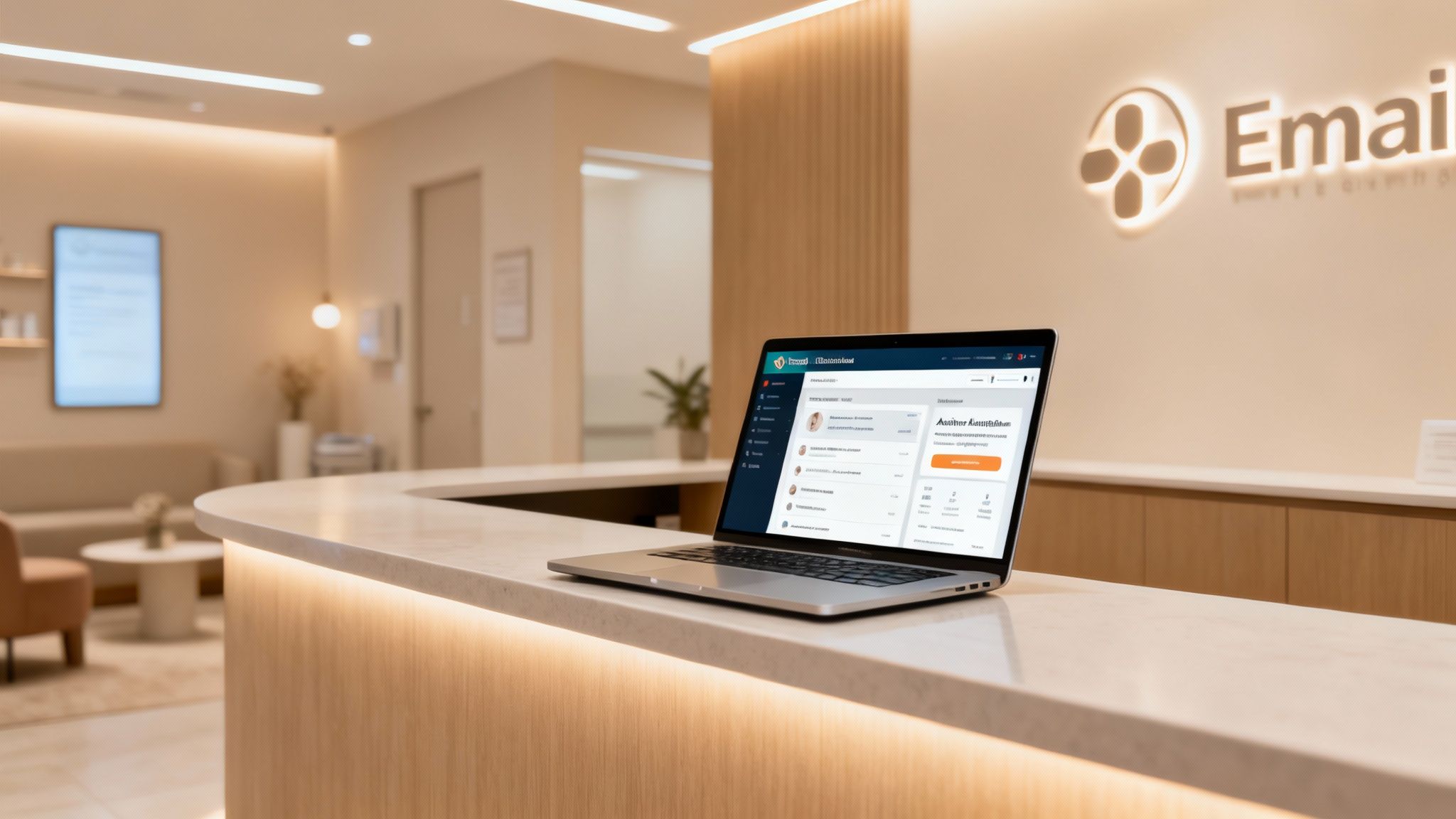
Your subject line determines whether your email is opened. Your call-to-action (CTA) determines what happens next.
Creating effective subject lines
Strong subject lines are:
Clear and specific, not vague
Benefit-led, hinting at what the reader will gain
Sometimes personalised, where appropriate
Examples:
“Your winter skin care plan: 5 dermatologist-approved steps”
“Microneedling explained: benefits, downtime and results”
“Struggling with redness? Here’s what can help.”
Avoid overly sales-focused lines. Aim for curiosity and value, not pressure.
Designing calls-to-action that guide patients
Every email should have a primary action you’d like the reader to take, such as:
“Read the full treatment guide”
“Book a consultation”
“Download your aftercare checklist”
Make the CTA:
Visually distinct, often as a button
Action-oriented, starting with a verb (Book, Learn, Download, Explore)
Relevant to the content of the email
Limiting each email to one main CTA often improves clarity and conversion.
11. Leveraging Patient Success Stories
Well-presented patient journeys can be powerful educational tools when used responsibly.
Ways to share patient stories
Before-and-after photos:
Use consistent lighting and angles, and only share images with explicit written consent. Add clear context about what was done and over what timeframe.Written testimonials or case studies:
Explain the initial concern, the agreed treatment plan and the outcome. Keep claims realistic and evidence-based.Video testimonials:
Short, genuine videos can be highly engaging, especially when embedded within an email and hosted on your own site.
Always ensure you follow professional guidelines for advertising and do not make unrealistic promises. Focus on real experiences and honest, proportionate messaging.
12. Maintaining Brand Consistency Across Campaigns
Brand consistency makes your clinic feel professional, reliable and memorable.
Elements to keep consistent
Visual identity:
Logo placement, colour palette, typography and use of imagery.Tone of voice:
Decide whether your clinic’s voice is more clinical and precise, or friendly and conversational, or somewhere in between – then apply it consistently across emails, website and printed materials.Structure and templates:
Use a similar structure so patients quickly recognise where to find key information (intro, main message, CTA, contact details).
Consistent branding reinforces your position as a trusted aesthetic provider, and makes your emails feel like a cohesive part of your wider aesthetic clinic marketing.
13. Using High-Quality Graphics and Visuals
Visuals are especially important in aesthetics, where results are often seen before they are felt.
Choosing the right visuals
Use images that:
Reflect your real clinic environment where possible
Demonstrate professional standards and hygiene
Support the message of the email (e.g. close-up skin texture in a microneedling email)
Avoid:
Overly edited images that create unrealistic expectations
Generic, unrelated stock photos
Balancing images and performance
Too many large images can slow loading times. To balance:
Compress images for fast loading
Always include alt text for accessibility and to support deliverability
Ensure important information is also available in text, not only embedded in graphics
High-quality, thoughtfully chosen visuals reinforce the standard of care clients can expect from your clinic.
14. Choosing Readable Fonts and Formatting for Readability
Readable emails respect your patients’ time and make engagement effortless.
Font and formatting best practices
To maximise readability:
Choose simple, web-safe fonts such as Arial, Helvetica, Verdana or a similar sans-serif.
Use a minimum of 14px for body text.
Keep paragraphs short, with frequent line breaks.
Use headings, subheadings and bullet points to break up longer sections.
Structuring content for easy scanning
Many readers will scan rather than read every word. Help them by:
Putting key points in bold (sparingly)
Using descriptive subheadings (e.g. “Post-treatment advice” rather than “More information”)
Starting sections with a quick summary sentence
A clean, well-structured email feels more professional and encourages clients to actually read the valuable information you’re sharing.
15. Keeping Clients Informed About New Offerings
When you introduce something new, email is an excellent way to educate and inform your patient base.
Announcing new services responsibly
When launching a new treatment, device or package, your email could:
Explain what the treatment is and how it works
Outline who it is suitable for and any key contraindications
Set realistic expectations around results and downtime
Link to a detailed page on your website for patients who want to learn more
Channels to support your announcement
Use email alongside:
Website updates (new treatment pages or blog posts)
Clinic signage at reception or in consultation rooms
Social media posts highlighting educational aspects, not just before-and-afters
If you segment your list, you can send these announcements first to those most likely to benefit, ensuring your communication feels targeted and relevant.
16. Encouraging Repeat Visits and Referrals

Long-term success in aesthetics comes from loyal patients and the referrals they generate.
Encouraging repeat visits
Email can support retention by:
Sending post-treatment check-ins
Providing maintenance guidance and sensible timelines for review
Sharing educational content that keeps patients engaged between visits
Encouraging referrals in a professional way
Your happiest patients are often willing to recommend you. To support this:
Include a gentle referral reminder in your emails, explaining any thank-you gesture you offer.
Provide a simple way for patients to pass on your details – a shareable email link, unique referral code or a dedicated landing page.
Always ensure referral schemes are ethical, transparent and compliant with professional guidelines.
17. Fostering Client Relationships and Loyalty
Beyond treatments, patients value feeling known, remembered and appreciated.
Building genuine relationships via email
You can foster loyalty by:
Sending personalised follow-ups after key treatments.
Sharing exclusive educational content for subscribers.
Recognising milestones such as birthdays or long-term clients, with a warm message or small gesture.
A consistent, thoughtful email presence helps clients feel part of a supportive, expert community, not just a database.
18. Enhancing Client Satisfaction
Satisfied clients are more likely to return, refer and leave positive reviews.
Using email to support satisfaction
Email can help you:
Clarify what to expect before a treatment, reducing anxiety and misunderstandings.
Reinforce aftercare instructions and answer common questions.
Invite feedback after appointments, showing you are open to improvement.
You might include simple feedback links or surveys in follow-up emails, making it easy for patients to share their experience.
Showing that you take feedback seriously and act on it is a powerful way to demonstrate care beyond the treatment room.
19. Positioning Your Clinic as an Industry Expert
Email marketing is an ideal channel for demonstrating your clinical expertise and professionalism.
Sharing your knowledge
To position your clinic as an authority:
Send educational articles on treatment science and skincare ingredients.
Highlight team qualifications, training and conference attendance (without being boastful).
Provide thoughtful commentary on relevant industry trends, always grounded in evidence.
Answering common questions
Consider dedicating emails to FAQs such as:
“How do I choose between different types of peels?”
“What’s the difference between clinic treatments and home skincare?”
“How can I prepare for my injectable appointment?”
This helps patients feel informed and reassured, while reinforcing your role as a trusted advisor in their skin health.
20. Understanding Email Marketing ROI and Benefits
Email marketing is typically one of the most cost-effective channels available to aesthetic clinics.
The value of email marketing
Compared with paid advertising or print, email has:
Very low cost per message
High potential for personalisation and segmentation
Clear, measurable results
Industry studies often suggest that email marketing can deliver an average return in the region of £30–£35 for every £1 invested, though the exact figure varies depending on services, pricing and how well campaigns are executed.
Benefits beyond immediate bookings
The benefits of email go beyond direct conversions:
Direct communication: No reliance on social media algorithms.
Client retention: Regular, relevant contact keeps your clinic top-of-mind.
Relationship building: Consistent educational content builds familiarity and trust.
Data insight: Analytics give you a clear view of what resonates with your audience.
By understanding and measuring these benefits, you can make email a core pillar of your aesthetic clinic marketing.
21. A/B Testing for Optimization
A/B testing helps you move from guesswork to evidence-based decisions.
What you can test
Test one element at a time between two versions (A and B):
Subject lines: Question vs. statement, shorter vs. longer, with or without personalisation.
Send times: Mornings vs. evenings, weekdays vs. weekends (for different segments).
CTA text and placement: “Book now” vs. “Learn more”, top vs. bottom of the email.
Content layout: Different image choices or article order.
Using test results
Over time, A/B testing helps you:
Refine what drives opens and clicks
Understand which messages resonate with different client groups
Improve your overall ROI and patient engagement
Keep tests simple and continuous, using the insights to make incremental improvements.
22. Cleaning Your Email List Regularly
A lean, engaged list is more valuable than a large, unresponsive one.
Why list hygiene matters
Regularly reviewing and cleaning your list helps to:
Improve deliverability and reduce spam risk
Keep bounce rates low
Ensure your metrics reflect real engagement
Reduce costs if your email platform charges per subscriber
Practical list cleaning steps
Identify subscribers who haven’t opened an email in 6–12 months.
Send a re-engagement campaign asking if they still want to hear from you.
Remove or suppress addresses that remain inactive.
Periodically remove invalid or bouncing addresses.
This process ensures your emails go primarily to those who are genuinely interested in your clinic, improving both performance and compliance.
23. Providing Educational Content on Skincare Treatments
Educational content is one of the most powerful ways to add value and strengthen your authority.
Topics your patients care about
Consider emails that:
Explain common skin concerns (acne, pigmentation, rosacea, ageing) in clear language.
Compare different treatment options (e.g. chemical peels vs. microneedling) for specific concerns.
Share seasonal advice, such as adjusting routines for colder weather or increased sun exposure.
Making education practical
To keep it practical:
Include step-by-step routines or checklists.
Highlight red flags when patients should seek professional advice.
Link to in-depth blog posts for those wanting more detail.
By focusing on education over promotion, you position your clinic as a trusted, patient-centred resource.
24. The Role of Email in Client Retention
Client retention is often more cost-effective than constant acquisition, and email plays a central role in keeping patients engaged over time.
How email supports retention
Email helps you to:
Maintain regular, low-friction contact between appointments
Provide ongoing aftercare and maintenance guidance
Share evolving treatment options as patients’ needs change over time
When patients feel consistently informed and supported, they’re more likely to see your clinic as their long-term partner in skin health, rather than a place for one-off treatments.
25. Embracing Email Marketing for Practice Growth and more
Email marketing is not about sending as many messages as possible; it’s about thoughtful, well-planned communication that mirrors the standard of care you provide in clinic.
Bringing it all together
By:
Building a high-quality, consent-based email list
Segmenting and personalising your content
Sharing valuable, educational information
Designing clear, on-brand emails
Monitoring performance and refining based on data
…you create a channel that supports steady, sustainable growth for your aesthetic practice.
Used in this way, email becomes an extension of your clinical expertise and patient care, helping patients feel informed, supported and confident in choosing your clinic.
Your Email Marketing Journey
We’ve covered how to build your list, structure campaigns, protect client data and measure the impact of your efforts. While it might feel like a lot at first, you don’t need to implement everything at once.
Start with the basics:
A clear sign-up process
A simple welcome email
A post-treatment follow-up
Then gradually layer in segmentation, automation and testing. Over time, you’ll develop an email strategy that feels natural, manageable and firmly aligned with your clinic’s values.