
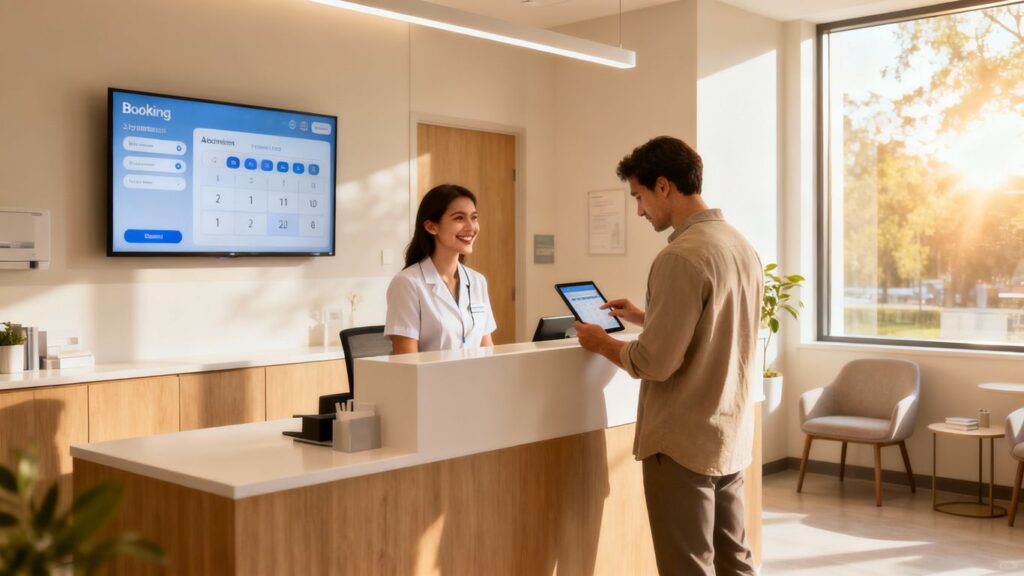
Clinic phone lines can become overwhelmed, especially during peak hours, making appointment management challenging for both staff and patients. Today’s patients expect to book appointments at a time that suits them, not only during office hours.
This is where patient self-booking systems offer genuine value. They are more than a modern convenience—they streamline clinic operations and create a smoother, more accessible experience for patients. This guide explores how implementing patient self-booking can enhance efficiency across your clinic.
Key Takeaways
- Implementing patient self-booking means patients can schedule appointments anytime, anywhere, which is a huge plus for convenience and capturing interest outside of business hours.
- Online booking systems significantly cut down on administrative tasks, freeing up your staff to focus on more important patient care and clinic operations.
- Integrating self-scheduling with your existing practice management software keeps everything in sync, preventing double bookings and ensuring accurate patient information.
- Patient self-booking offers a competitive edge by meeting modern patient expectations for digital access and convenience, which can lead to higher satisfaction and more bookings.
- By tracking key metrics, you can measure the success of your patient self-booking clinic system and see a clear return on investment through improved efficiency and patient retention.
Embracing Patient Self-Booking For Enhanced Clinic Efficiency

It feels like only yesterday that booking an appointment meant being tethered to the phone during strict office hours. You know the drill: endless hold music, playing phone tag, and the general hassle of trying to fit a call into a busy workday.
But times have changed, and so have patient expectations. They want convenience, and they want it now. This is where patient self-booking systems step in, offering a modern solution that benefits everyone.
Understanding The Business Case For Patient Self-Scheduling
In many clinics, the old way of doing things just isn’t cutting it anymore. Clinics are often swamped with calls, and administrative staff spend a huge chunk of their day just managing appointments. This isn’t just inefficient; it’s costly.
For example: if your reception team is constantly on the phone, who’s there to greet patients warmly when they arrive, or to help with more complex queries? Patient self-scheduling shifts this burden, allowing patients to take control of their bookings while freeing up your staff for more important tasks.
- Reduced administrative workload: Staff can reclaim significant time previously spent on booking and rescheduling calls.
- Improved patient satisfaction: Offering 24/7 booking access meets modern patient expectations for convenience.
- Increased schedule utilisation: Last-minute cancellations can be filled almost instantly, minimising empty slots.
The traditional phone-based scheduling model is struggling to keep up. Patients today expect the same level of instant access and control they experience in other areas of their lives, like online shopping or ride-sharing services. Patient self-scheduling directly addresses this need while providing tangible operational advantages for your clinic.
How Patient Self-Scheduling Works In Modern Clinics
Modern systems are surprisingly straightforward for both the patient and the clinic. When a patient visits your website or patient portal, they can see real-time availability for appointments.
The system is smart; it knows which appointment types require specific durations, which providers are available, and even considers things like insurance or location preferences. The patient simply picks a slot that works for them, gets an instant confirmation, and even receives a calendar invite that syncs with their phone or computer.
This is a significant improvement compared with traditional manual booking methods.
Filling Schedule Gaps With 24/7 Booking Access
One of the most brilliant aspects of self-booking is its ability to tackle those pesky empty slots in your schedule. A patient cancels an appointment at 10 PM? The system immediately makes that time available online.
Someone looking for an appointment late that night or early the next morning can snag it before your clinic even opens. This constant availability means you’re not just reacting to cancellations; you’re proactively filling them, leading to a more consistent patient flow and better use of your resources.
Clinics often see a noticeable improvement in how full their schedules are within just a few months of implementing these systems.
Seamless Integration Of Online Booking Systems
Implementing Patient Self-Scheduling Without Disruption
Bringing in a new online booking system doesn’t mean you have to ditch phone calls entirely. The best approach is usually to keep phone booking available while gently nudging patients towards the online option.
You can do this through your website, patient emails, and by having your reception staff mention it. It’s about making the online system the easiest choice.
Start by rolling out self-scheduling for simpler appointments, like routine check-ups or follow-ups. This lets your staff and patients get used to the system without too much complexity.
Once everyone’s comfortable, you can gradually introduce it for more involved appointment types.
Integration With Existing Practice Management Systems
A key part of a smooth transition is how well the new system talks to your current practice management software. Modern online booking platforms use secure connections, often called APIs, to sync up with your existing systems in real-time.
This is really important because it stops double-bookings and makes sure your availability is always up-to-date. It also means that all the rules you already have for booking appointments – like how long they should be or which doctor they need to see – are still followed.
Here’s what good integration looks like:
- Real-time Availability: Your online system always shows accurate appointment slots based on your practice management software.
- Automated Data Sync: New bookings made online are automatically added to your main schedule, reducing manual entry.
- Preserved Scheduling Rules: Existing rules about appointment duration, provider matching, and specific visit types are maintained.
- Reduced Errors: Minimises the chance of double-bookings or scheduling conflicts.
Security And Compliance In Online Booking
When you’re dealing with patient information, security and following the rules are non-negotiable. Any online booking tool you use needs to be fully compliant with data protection laws, like GDPR.
This means protecting sensitive health details at all times.
Reputable systems use strong encryption to keep data safe during transmission and storage. They also have secure ways for patients to log in, often with multi-factor authentication, so only the right people can access appointment details.
The system should only ask for the information it absolutely needs, and only when it needs it, to keep patient data as private as possible.
Maximising Clinic Operations With Self-Scheduling
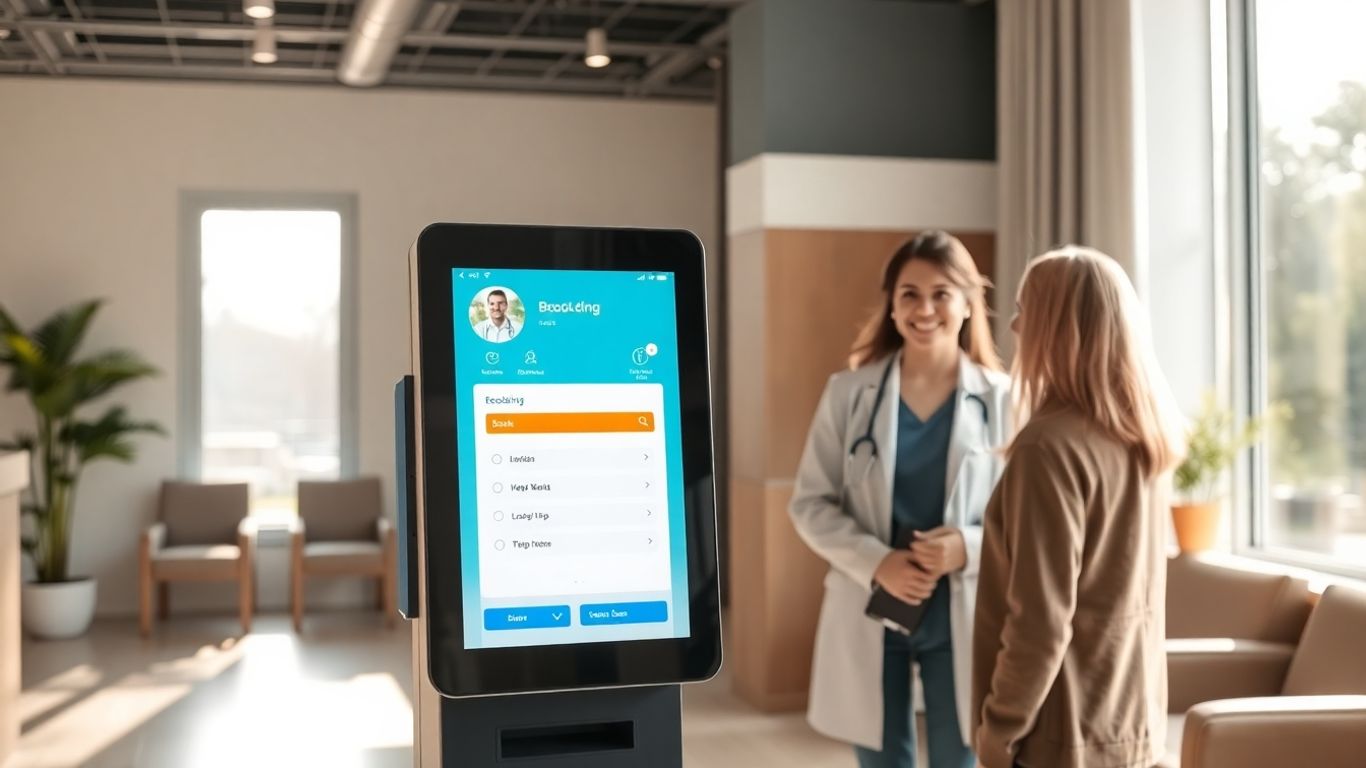
Implementing patient self-scheduling isn’t just about making things easier for your patients; it’s a strategic move that can significantly streamline your clinic’s day-to-day operations.
By shifting the power of appointment booking to your patients, you free up valuable staff time and reduce the potential for errors that often creep in with manual processes.
Reducing Administrative Burden Through Patient Self-Scheduling
Think about the sheer volume of calls your reception team handles daily. A substantial portion of these calls are likely related to booking, rescheduling, or cancelling appointments.
This takes up a significant chunk of their time – estimates suggest it can be as high as 30-40% of their workload. When patients can manage their own appointments online, this burden is lifted.
They can find a slot that works for them, confirm it instantly, and even make changes without needing to speak to anyone. This means your administrative staff can focus on more patient-facing tasks, like greeting visitors, handling queries, or assisting with more complex administrative needs, rather than being tied to the phone.
Quantifying Staff Efficiency Gains
Let’s put some numbers to this. If your clinic handles, say, 300 appointment-related calls a week, and a good 60% of those can be moved online, that’s 180 fewer calls your team needs to manage.
Over a week, this could translate into 15-20 hours of reclaimed staff time. Imagine what your team could do with that extra time: perhaps more thorough patient check-ins, better management of insurance details, or even assisting with clinical support tasks.
This isn’t just about saving time; it’s about reallocating your most valuable resource – your staff – to activities that directly improve patient care and clinic flow.
Patient Convenience As A Competitive Advantage
Patients, much like consumers in any other industry, are looking for services that fit into their busy lives. Offering a 24/7 online booking system shows that your clinic respects their time and embraces modern technology.
This can be a significant differentiator when patients are choosing between healthcare providers. A study by the Medical Group Management Association found that access and convenience are among the top three factors influencing patient satisfaction.
By providing an easy-to-use, always-available booking option, you’re not just improving your operations; you’re also making your clinic a more attractive choice for current and new patients.
Here’s a look at how self-scheduling can impact your clinic:
- Reduced Call Volume: Significantly fewer inbound calls for routine appointment management.
- Increased Schedule Utilisation: Last-minute cancellations are immediately visible and bookable, filling gaps.
- Improved Accuracy: Patients enter their own details, minimising data entry errors.
- Enhanced Patient Satisfaction: Offering a convenient, modern booking experience.
The shift to patient self-scheduling represents a significant operational improvement; it’s a fundamental change in how clinics operate, leading to tangible improvements in efficiency and patient experience. It allows your team to focus on what matters most – providing excellent care – while patients benefit from the ease and accessibility of managing their appointments on their own terms.
The Patient Self-Booking Clinic Advantage
Implementing a patient self-booking system isn’t just about keeping up with technology; it’s about gaining a real edge in how your clinic operates and how patients perceive your practice.
It’s ultimately about improving efficiency and accessibility for both patients and staff.
Converting After-Hours Interest Into Booked Appointments
A considerable number of patients attempt to schedule appointments outside standard clinic hours. We’re talking evenings, weekends, early mornings – times when they’re thinking about their health but can’t pick up the phone.
Data suggests that around 60% of booking attempts happen outside of standard business hours. Without an online system, this interest often just evaporates. They might forget to call back, find another clinic that does offer 24/7 booking, or simply put off their healthcare needs.
A self-booking system captures that motivation right when it happens, turning a fleeting thought into a confirmed appointment. This means fewer missed opportunities and a fuller schedule, even before your doors open for the day.
Calendar Integration Benefits For Patient Self-Scheduling
The booking process does not end at appointment confirmation. That’s where smart calendar integration comes in. Modern systems automatically generate appointment reminders that sync directly with popular calendars like Google Calendar, Apple Calendar, and Outlook.
This isn’t just a simple reminder; it’s a helpful nudge that keeps the appointment visible in the patient’s daily life. It significantly cuts down on no-shows because the appointment is right there in their schedule.
Plus, it makes life easier for patients who need to coordinate with family members for transport or care. If a conflict arises, they can see it immediately and use the system to reschedule with minimal fuss.
Supporting Complex Appointments
While many self-booking systems start with simpler appointment types like routine check-ups or follow-ups, they’re increasingly capable of handling more complex scheduling needs. This can include:
- Multi-step appointments: Where a patient needs to book a series of visits.
- Specific provider requests: Allowing patients to select a particular doctor or therapist.
- Resource allocation: Booking specific equipment or rooms needed for a procedure.
- Pre-appointment requirements: Prompting patients to complete forms or undergo preliminary checks before their visit.
By carefully configuring the system, you can extend the benefits of self-scheduling to a wider range of services, further reducing the administrative load and improving patient convenience. This flexibility is key to truly optimising your clinic’s operations.
Elevating The Patient Experience Through Digital Booking
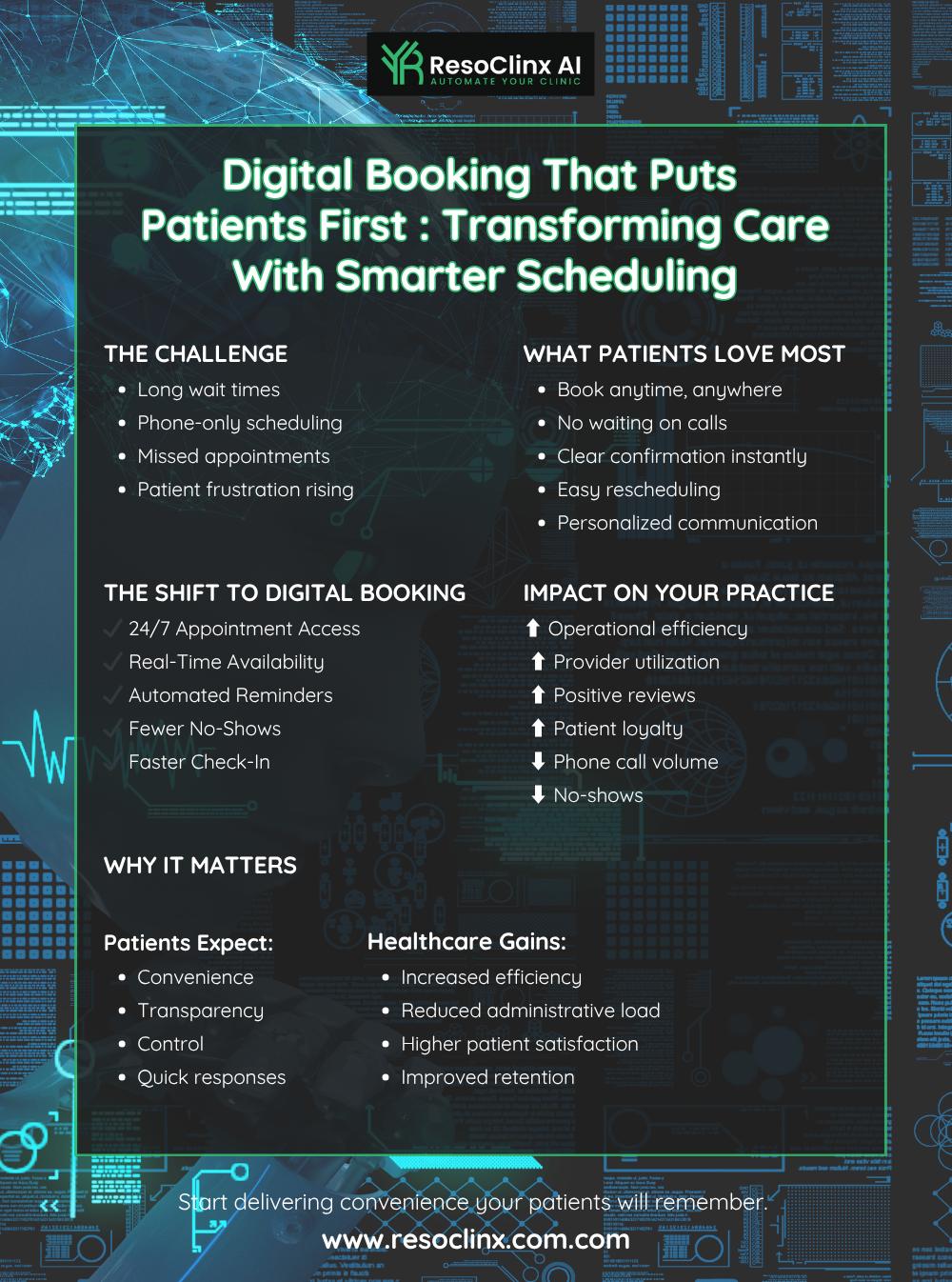
Making it easy for patients to book appointments is a big part of making them feel good about your clinic. When booking is a hassle, it can put a damper on things before they even walk through the door.
Digital platforms change this entirely. They offer a straightforward way for people to find and book the care they need, whenever it suits them.
This isn’t just about convenience; it’s about showing patients that you respect their time and value their business.
Enhanced Patient Experience With Digital Platforms
Online booking has become the norm because it’s simple and available 24/7.
Your patients expect the same from their healthcare providers. A well-designed online booking system means patients can see available slots, choose the one that works best for them, and confirm their appointment instantly, all from their computer or phone.
This immediate feedback and control significantly reduce frustration and uncertainty.
- 24/7 Accessibility: Patients can book appointments anytime, anywhere, without needing to call during business hours.
- Reduced Waiting Times: Less time spent on the phone means administrative staff can focus on patient care, potentially shortening wait times for in-person queries.
- Clear Communication: Automated confirmations and reminders reduce confusion and the likelihood of missed appointments.
Patients often feel more in control and less anxious when they can manage their appointments independently. This sense of autonomy can lead to greater satisfaction and a more positive overall impression of the clinic.
The Growth-Ready Choice For Your Clinic
Adopting digital booking isn’t just a nice-to-have; it’s a strategic move for clinics looking to grow.
By automating the scheduling process, you free up your staff to concentrate on more complex tasks and direct patient interaction. This operational efficiency can lead to a noticeable increase in the number of appointments you can manage without adding to your headcount.
It’s about working smarter, not harder, and positioning your clinic to handle increased demand effectively.
Taking The Next Step Towards Digital Efficiency
Moving to a digital booking system might seem like a big change, but the benefits are substantial. It streamlines operations, reduces errors associated with manual scheduling, and most importantly, provides a much smoother experience for your patients.
This shift is about more than just updating your technology; it’s about adapting to modern patient expectations and building a more efficient, patient-focused practice for the future.
Measuring The Return On Investment Of Self-Scheduling
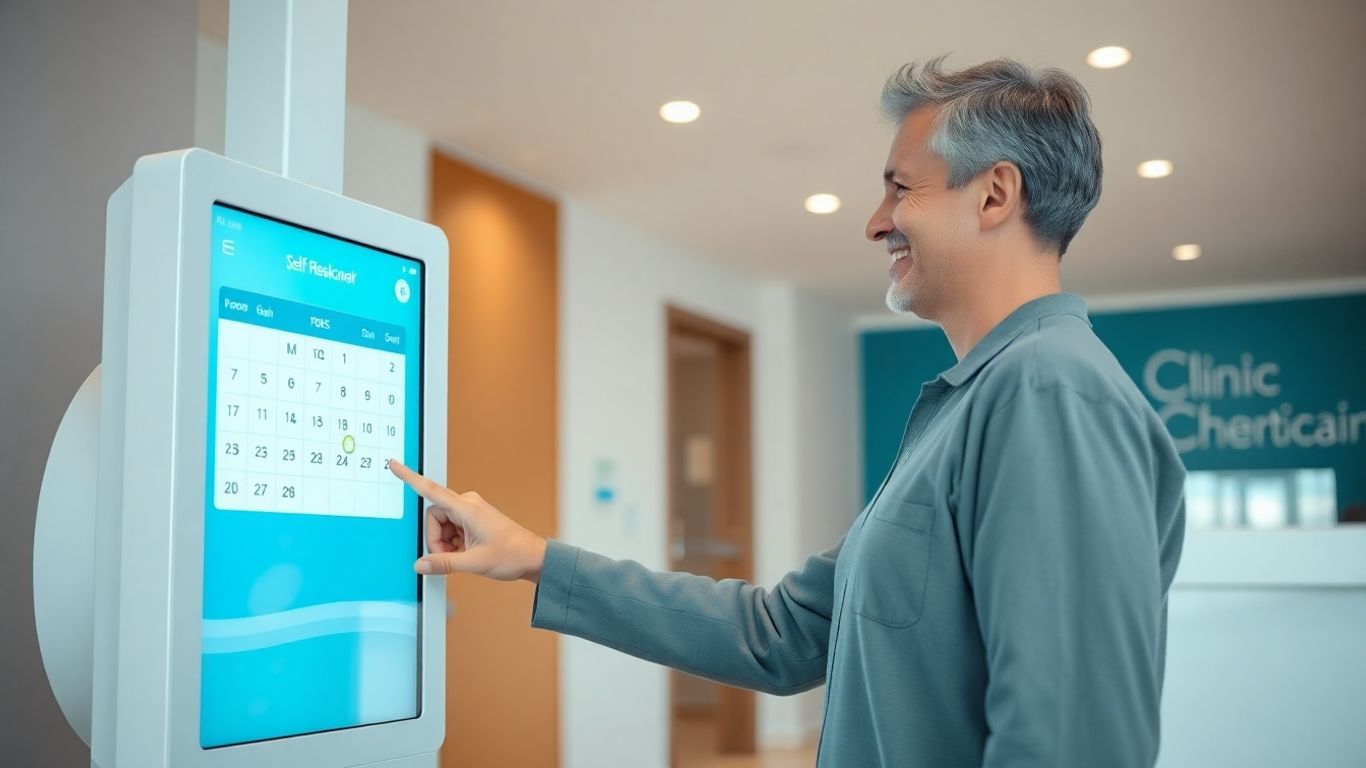
So, you’ve implemented a patient self-booking system. That’s a big step, and it’s only natural to wonder what the actual payoff is. It’s not just about having a fancy new system; it’s about seeing tangible benefits for your clinic.
We need to look at the numbers and see how this change is impacting your bottom line and your day-to-day operations.
Tracking Key Metrics For Success
To really understand the impact, we need to keep an eye on a few specific things. These aren’t just random numbers; they tell a story about how well the system is working for you and your patients.
- Percentage of appointments booked online vs. phone: This is a straightforward measure of adoption. Are patients actually using the system? A higher online booking rate means more automation.
- Schedule utilisation rate: How full is your schedule? Self-booking can help fill those last-minute gaps left by cancellations, meaning fewer empty slots and more revenue.
- Average phone handling time: How long does it take your staff to book an appointment over the phone compared to the time a patient spends booking online? This highlights efficiency gains.
- Reduction in no-shows: Automated reminders and the ease of booking often lead to fewer missed appointments. This is a big one for revenue and patient care.
- Patient satisfaction scores: Are patients happier with the booking process? This is harder to quantify directly but can be gauged through surveys or feedback forms.
Achieving Positive ROI Through Integrated Benefits
When you look at the whole picture, the return on investment (ROI) comes from a combination of factors. It’s not just one thing; it’s how all these improvements work together.
- Reduced administrative burden: Think about the hours your reception staff spend on the phone booking appointments. Automating this frees them up for more patient-facing tasks or other important duties. Studies suggest this can reduce administrative labour costs significantly.
- Improved schedule utilisation: As mentioned, self-booking systems can fill cancellations quickly. This means fewer lost appointment slots and a more consistent revenue stream. Clinics often see a noticeable improvement in this area within months.
- Fewer missed appointments: When patients can book and manage their appointments easily, they’re less likely to forget. This directly translates to more income and better continuity of care.
- Increased patient retention: Convenience is a major factor for patients. A smooth, 24/7 booking experience can be a deciding factor in choosing your clinic over a competitor.
The initial investment in a patient self-booking system often pays for itself within six to nine months, thanks to a combination of reduced operational costs and increased revenue from better schedule management and fewer no-shows. As patient adoption grows, these benefits compound over time.
Transform Your Clinic Scheduling Today
Implementing a patient self-booking system isn’t just a technological upgrade; it’s a strategic move that can reshape your clinic’s efficiency and patient relationships. By focusing on these key metrics and understanding the integrated benefits, you can clearly see the positive financial and operational impact.
Don’t let outdated scheduling processes hold your clinic back. Embracing digital booking is a clear path to a more streamlined, patient-centric, and profitable future.
Moving Forward with Patient Self-Booking
Implementing a patient self-booking system is a practical step toward building a more efficient, patient-centred clinic. By adopting tools that streamline scheduling and reduce administrative strain, clinics can improve patient satisfaction and create a more sustainable operational workflow.
The transition may require thoughtful planning, but the long-term benefits are clear and measurable.